


When your neck or back starts hurting, it’s normal to have questions. Is it something minor? Will it get better on its own? Or is it time to have it checked? This guide is here to help. We’ll walk you through common spine conditions, treatment options, and simple habits to keep your spine healthy.
At the Jey Institute, we believe that the best treatment isn’t always the most aggressive one. Many spine conditions improve with the right non-surgical care, and we can only consider surgery when it’s the best option for your condition and goals.
By the end of this guide, you’ll have a better understanding of how spinal care works and when it’s time to seek help. You’ll also know what steps to take so you can move forward with confidence.
The Most Common Spinal Injuries and Conditions
Most people who come to see me are dealing with neck or lower back pain. Sometimes it starts after an injury. Other times, it develops gradually, so they can’t pinpoint exactly when it began. While there are many spine conditions, a handful are responsible for most of the problems I treat. Let’s look at the ones I see most often.
Herniated Discs

A herniated disc is one of the most common spine conditions I see. It happens when the soft center of a spinal disc pushes through a tear in its outer layer. When that happens, it can press on a nearby nerve and cause pain, numbness, tingling, or weakness. If it’s in your neck, the pain may travel down your arm. If it’s in your lower back, the symptoms may spread into your leg.
I often see herniated discs in younger adults after car accidents, sports injuries, or work-related injuries. They can also develop during everyday activities, especially when someone lifts more than their body is used to or suddenly takes on a new physical activity. The good news is that many people improve with the right non-surgical treatment and never need surgery.
Arthritis and Age-Related Spine Conditions

As we get older, it’s normal for our spines to change. The discs gradually lose some of their flexibility, and the joints begin to wear down, much like the joints in your hands.
For some people, those changes can lead to arthritis or narrow the spaces around the nerves, a condition called spinal stenosis. Others may develop spondylolisthesis, where one vertebra slips forward over another.
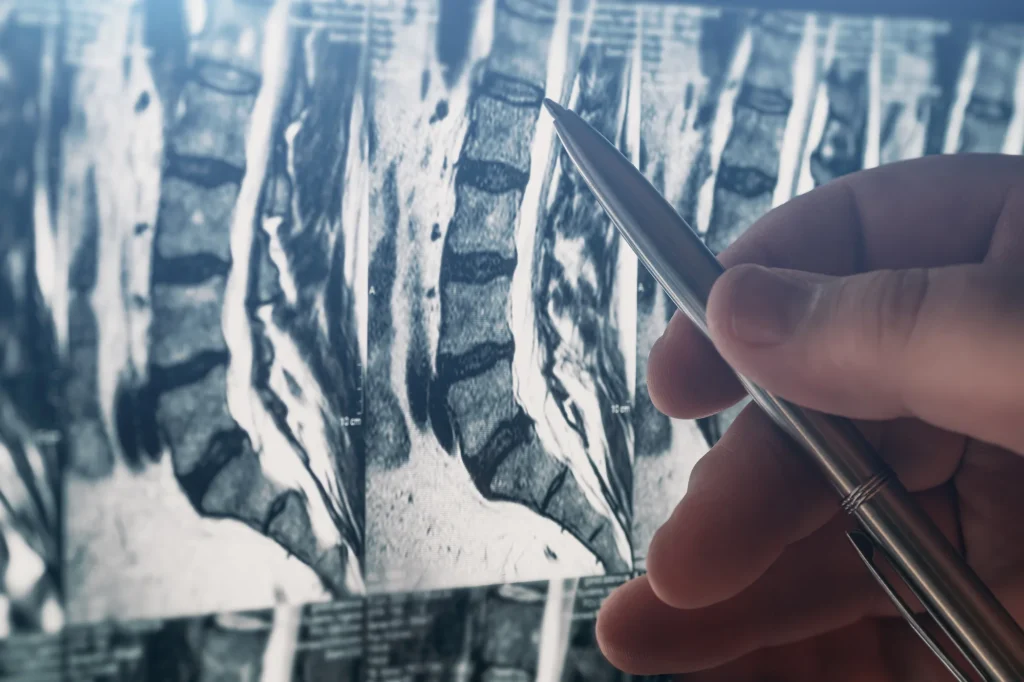
These conditions become more common in adults in their 50s and 60s, but they don’t affect everyone the same way. Some people experience pain or weakness, while others develop balance problems or difficulty with everyday movement. I also remind my patients that these changes don’t always explain how they’re feeling. Many people have signs of arthritis on an MRI and continue living active, comfortable lives.
Traumatic Spine Injuries

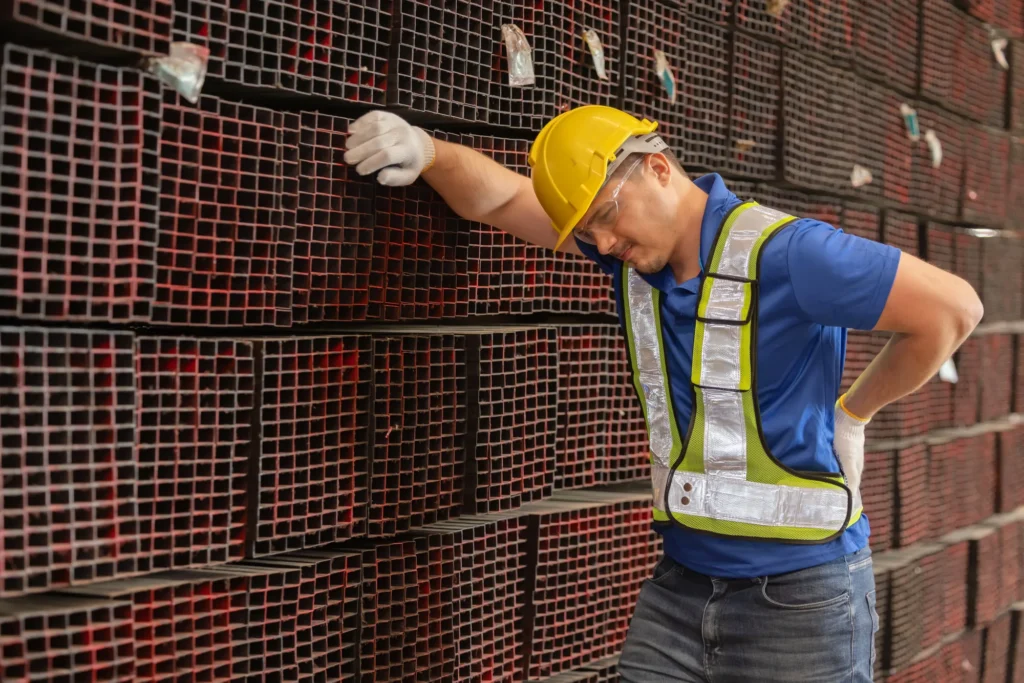
Not every spine problem develops slowly. Many people come to see me after car accidents, sports injuries, or physically demanding work. But not every injury happens all at once. Years of lifting, carrying equipment, or doing the same physical tasks every day can also take a toll on your spine.
I commonly see these injuries in longshoremen, factory workers, nurses, police officers, firefighters, and athletes. Office and tech workers can also develop neck pain after spending long hours with their heads tilted forward while using computers and other devices.
If those symptoms start getting in the way of your daily life, it’s worth getting checked. The sooner you understand what’s causing them, the sooner you can start the right treatment.
How the Spine Works
Your spine does a lot more than hold you upright. It gives your body structure, protects your spinal cord, and helps you move through everyday life. When everything is working the way it should, you probably don’t think much about your spine. It just lets you get on with your day.
The Three Main Regions of the Spine
I like to think of the spine as three sections, each with its own job.
- Cervical spine (neck): Supports your head and allows you to look up, down, and from side to side.
- Thoracic spine (upper and middle back): Connects to the ribs and provides a stable foundation for your upper body.
- Lumbar spine (lower back): Supports much of your body weight and helps you lift, bend, reach, and perform many everyday tasks.
Discs and Nerves
Soft discs sit between most of the bones in your spine. Think of them as cushions that absorb the impact of everyday movement. They also help your back bend and twist without placing too much pressure on the bones.
Nerves branch off from the spinal cord through small openings between the bones in your spine. They carry messages between your brain and the rest of your body, allowing you to feel sensation, move your muscles, and react to what’s happening around you.
When a disc or another part of the spine presses on one of those nerves, that’s when you can start to notice symptoms like pain, numbness, tingling, or weakness.
What a Healthy Spine Looks Like
A healthy spine has natural curves that help keep your body balanced. Your bones, discs, muscles, and nerves all work together like a team. When one part isn’t working the way it should, the others often have to work harder to make up for it.
Common Causes of Chronic Spinal Problems
People often ask me why they’re having neck or back problems, but there’s rarely one simple answer. It can be a combination of aging, past injuries, daily habits, or even the kind of work you do. Some of those things are outside your control, but others are everyday habits you can actually do something about. Knowing the difference can go a long way toward protecting your spine over time.
Getting Older Is Only Part of the Story
Over time, the discs begin to dry out, and the joints in the spine begin to wear down. These changes are a normal part of aging, but they don’t always affect people in the same way.
One of the biggest misunderstandings I hear is that pain is simply a normal part of getting older. I tell my patients this all the time: just because you’re getting older doesn’t mean you have to accept pain as part of life. It’s normal for your spine to change over time, but that doesn’t mean you should stop doing the things you enjoy.
Injuries and Repeated Strain
Sometimes it only takes one injury to start a problem that sticks around. Car accidents, sports injuries, and physically demanding jobs can all put stress on your spine. But it’s not always one big event. I’ve also seen people develop problems after lifting more than their body was ready for, jumping into a new workout too quickly, or putting the same strain on their neck or back day after day.
Healthy Habits Can Make a Difference
While you can’t stop the natural aging process, some risk factors are within your control. One of the biggest is smoking. It affects your body’s ability to heal and can weaken the structures that support your spine over time. The same goes to vaping because it still exposes your body to nicotine.
Another common habit is spending too much time sitting. Whether you’re working at a desk or relaxing at home, staying in the same position for hours can place extra stress on your neck and back. Getting up to stretch or walk around every so often can make a difference.

Regular exercise helps strengthen the muscles that support your neck and core, giving your spine better support during everyday activities. Getting enough sleep also gives your body time to recover and repair itself.
Staying active, maintaining a healthy weight, avoiding smoking or vaping, and breaking up long periods of sitting can all go a long way toward supporting your spine. It’s never too late to start building healthier habits.
How to Know When It’s Time to See a Specialist?
One of the biggest signs it’s time to see a spine specialist is when your symptoms start changing the way you live. Maybe you’ve stopped taking trips because walking is too painful. Maybe you don’t enjoy cooking or spending time with your family the way you used to. That’s not something you should just learn to live with.
There are other changes to watch for besides pain. If your hands don’t seem to work the way they used to, you’re having trouble buttoning your clothes, using a fork and knife, walking up stairs, or keeping your balance, it’s a good idea to see a spine specialist. Sometimes these changes can be a sign that your spinal cord is being affected.

Some symptoms require immediate medical attention. If you lose control of your bladder or bowels, notice numbness around your groin or genitals, or develop weakness that’s getting worse, don’t wait to see if it goes away. Get medical care right away. These symptoms can be a medical emergency.
Treatment Options: Starting with Conservative Care
One of the first things I tell my patients is that there’s no one-size-fits-all treatment for neck or back pain. Some people get better with simple, non-surgical care, while others need additional treatment over time. In most cases, I like to start with the least invasive option. If you’re improving, there’s usually no reason to move on to something more involved. If you’re not, we’ll adjust your treatment based on what’s causing your symptoms and how you’re responding.
Physical Therapy
Physical therapy is usually the first step for neck or back pain. The goal is to strengthen the muscles that support your spine, improve flexibility, and help you move more comfortably again.

About 70% to 80% of patients improve with physical therapy alone. Even patients who later need surgery often recover better after completing physical therapy. If you’re still not improving after about four to six weeks, I may recommend an MRI to better understand what’s causing your symptoms.
Chiropractic Care
Chiropractic care can be another non-surgical option for some people with neck or back pain, particularly when the pain is related to stiff joints or muscle tightness. It isn’t the right choice for every spine condition, so I always make sure it’s appropriate before recommending it. For the right patient, it can help improve mobility and reduce discomfort.
Medication
If your pain is so bad that it’s hard to get through the day or do physical therapy, medication may help. It can make your pain easier to manage so you can keep moving. It won’t fix the problem, but it can help you stay active.
Injections
If physical therapy and medication haven’t provided enough relief, a spinal injection may be the next step. Before recommending one, I’ll usually order an MRI to make sure we’re treating the correct area. Injections are often helpful when inflammation around a nerve is contributing to your symptoms. Some people experience relief for several months, while others notice improvement for a shorter time.
Surgery
Surgery is usually something I consider only after conservative treatments haven’t provided enough relief and we’ve identified exactly what’s causing the problem.
It’s also important to know when surgery isn’t the right answer. If your pain started only recently, non-surgical treatment is usually the better place to begin. Surgery is also unlikely to help if we can’t clearly identify the source of your pain.

The goal of surgery isn’t just to reduce pain. It’s to correct the underlying problem that’s limiting you so you can get back to the activities that matter most to you.
Daily Habits for Spinal Health and Slowing Age-Related Degeneration
The things you do every day can make a real difference to your spine. You don’t need a complicated routine or the latest treatment. Simple habits you can stick with often have the biggest impact.
Stay Active and Keep Your Core Strong
Your body is made to move. Regular activity helps keep the muscles around your neck and core strong. Walking is one of the easiest ways to stay active. Swimming is another great option because it’s gentle on the joints while still keeping your body moving.
Don’t feel like you have to do everything at once. Give your body time to adapt, especially when you’re starting a new routine. As you get older, maintaining muscle strength and bone health becomes even more important because they help support your spine.
Make Everyday Tasks Easier on Your Back
It’s not just exercise that matters. The way you sit, stand, and lift can also affect your spine.
Long hours at a computer can place extra strain on your neck, especially when your head stays pushed forward. Taking a few minutes to stand, stretch, or change positions throughout the day can help.
Heavy lifting is another common cause of spine problems. Slow down, use proper lifting technique, and let your legs do more of the work instead of putting unnecessary strain on your back.
Going to the gym is a different story. Strength training can actually be good for your spine because it helps build the muscles that support it.
The key is using good form, lifting a weight you can control, and increasing the weight gradually instead of trying to do too much too soon.
Don’t Make a Back Brace Your First Choice
Many people believe wearing a back brace every day will protect their back, but that’s one piece of advice I often find myself correcting.
A back brace does the job that your core muscles are supposed to do. Over time, those muscles can become weaker because they aren’t being used enough.
A brace may help when you’re lifting something especially heavy, but it shouldn’t become something you rely on every day. Building a stronger core is a better long-term way to support your spine.
Be Careful of Treatments That Promise Quick Results
It’s normal to look for the fastest way to feel better, especially when you’re in pain. But there isn’t a shortcut to better spinal health.
I’ve had patients ask me about peptide injections because they’ve become more popular recently. They aren’t a cure for spine problems. Staying active, keeping your body strong, and following a treatment plan that’s right for your condition will always matter more than chasing the latest trend.
An MRI Doesn’t Tell the Whole Story
Seeing a long MRI report can be worrying, but imaging findings don’t always match how someone feels.
Some people have scans that show several changes in the spine and still stay active with very little pain. Others struggle with everyday activities even though their MRI doesn’t appear as serious.

That’s why we don’t rely on imaging alone. We also want to know how you’re feeling, examine your spine, and understand what you’re experiencing before deciding on the next step.
If these habits aren’t enough to relieve your symptoms, it may be time to see a spine specialist. They can identify what’s causing your symptoms and recommend the treatment that’s right for you.
What to Expect When You See a Spine Specialist
Your first visit is really about getting answers, not rushing into treatment. It’s a chance to understand what’s causing your symptoms and talk through the treatment options that make the most sense for you.
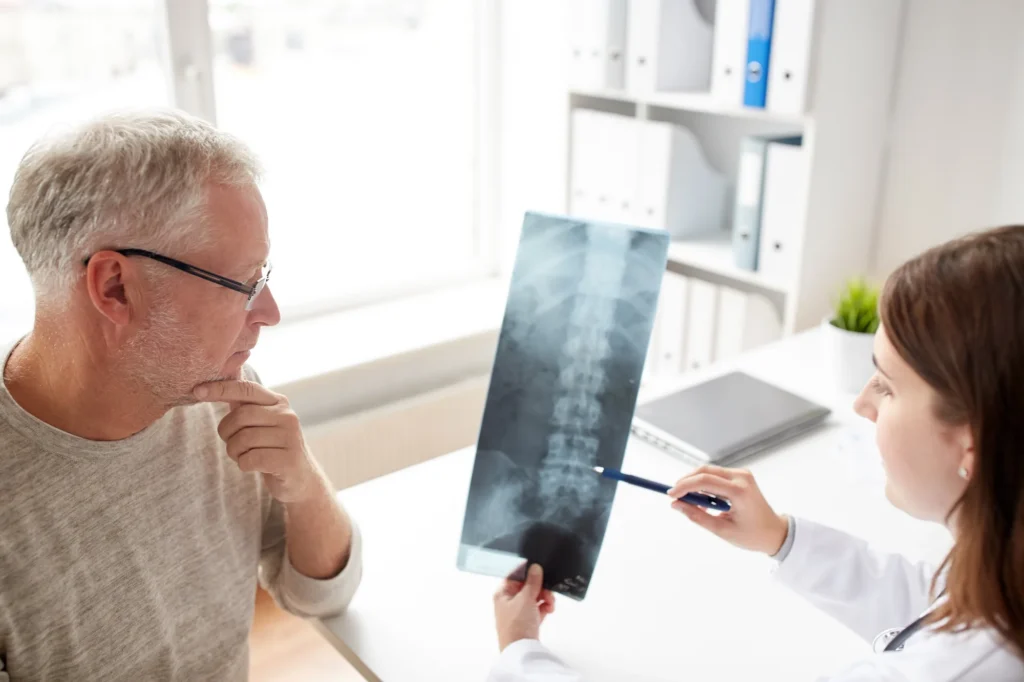
We’ll start by talking about what you’ve been experiencing. I’ll ask when the problem started, how it has changed over time, and what you’ve already tried. If you’ve had X-rays or an MRI, we’ll review those together to help build a clearer picture of what’s going on.
Next, I’ll examine your spine to see how it’s moving and check for signs that your muscles or nerves may be affected. Once we’ve put everything together, we’ll go over the findings and talk about what makes the most sense for your situation.
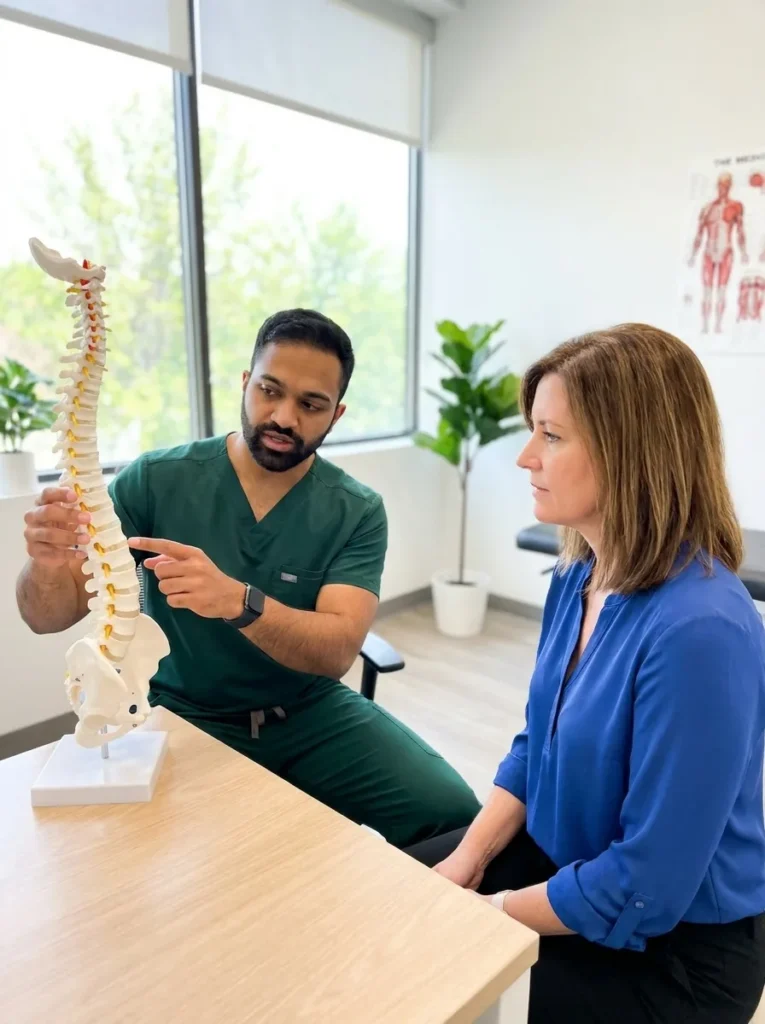
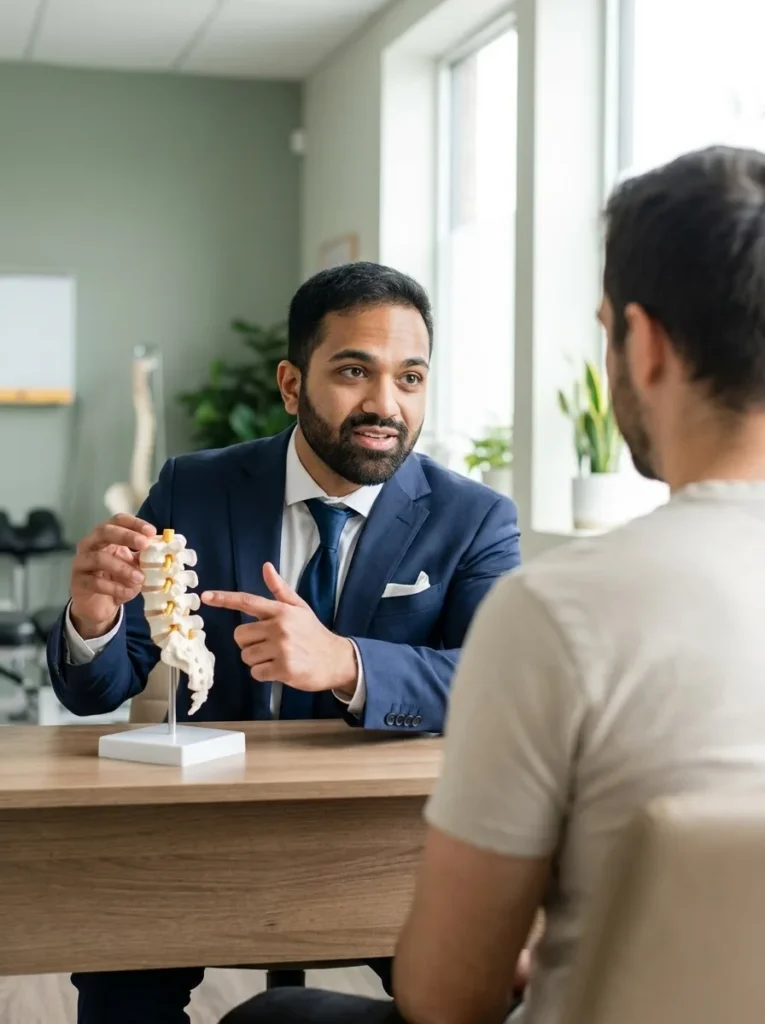
For many people, physical therapy or another non-surgical treatment is the best place to begin. Other times, more testing may be needed. The most important thing is understanding what’s causing your symptoms before deciding on the right treatment.
Recovery Expectations
Recovery doesn’t happen overnight. You might start feeling better after a few weeks, or it may take a few months before you notice bigger improvements. Every recovery is different.
Give yourself time to heal. Some days will feel better than others, and that’s a normal part of the process. Stick with your treatment plan, and remember that even small improvements can add up over time.

Feeling less pain is only part of recovery. The real goal is to help you get back to the life you enjoy. That might mean getting back on your bike, taking a trip you’ve been putting off, or simply doing everyday activities with greater comfort.
Conclusion
Living with neck or back pain shouldn’t become your new normal. If your symptoms are getting in the way of work, family time, travel, or the things you love to do, it may be time to speak with a spine specialist.
At the Jey Institute, we take the time to understand what’s causing your symptoms before recommending treatment. For many people, that starts with conservative care rather than surgery. When surgery is needed, it’s because we believe it’s the option most likely to help you get back to the life you enjoy.
Every spine problem is unique, and so is every treatment plan. The sooner you understand what’s causing your symptoms, the sooner you can start moving in the right direction.