
Cervical Radiculopathy Treatment in New Jersey
The Jey Institute treats cervical radiculopathy in New Jersey for patients experiencing neck pain, numbness, arm pain, and other symptoms caused by compressed nerves in the cervical spine.


Definition
What is Cervical Radiculopathy?
Cervical radiculopathy develops when a nerve root in the neck loses space and becomes irritated near the spine. Many people describe the condition as a “pinched nerve” because symptoms often begin in the neck and travel into the shoulder, arm, or hand.
Discs, joints, and bones in the cervical spine can all contribute to nerve compression.
A herniated or degenerated disc, narrowing around the nerve, or age-related changes in the neck may trigger pain, numbness, tingling, or weakness along the affected nerve pathway.
“A pinched nerve in the neck”
The nerves in the neck exit the spine through small openings between the vertebrae. When those openings narrow, the affected nerve may become compressed or inflamed.
Some people develop symptoms after lifting, twisting, or sleeping in an awkward position. Others notice gradual changes that slowly become harder to ignore over time.
Why symptoms travel into the arm and hand
Each nerve in the neck connects to specific muscles and areas of skin throughout the upper body. Because of this, the affected nerve often determines where symptoms appear.
One person may feel numbness in certain fingers, while another notices discomfort near the shoulder blade or trouble gripping objects normally.
Cervical Radiculopathy vs Cervical Myelopathy
Cervical radiculopathy affects a single nerve and usually causes symptoms along one arm. Cervical myelopathy affects the spinal cord itself and may lead to balance problems, changes in coordination, weakness, or difficulty using the hands.
Doctors generally consider myelopathy more serious because pressure on the spinal cord can continue worsening without treatment.
What’s the difference between normal neck pain and Cervical Radiculopathy?
Normal neck pain often stays in one area and may result from muscle strain, posture problems, or sleeping in an uncomfortable position. Many cases improve with rest or simple changes in daily activity.
Cervical radiculopathy affects a nerve in the neck, so symptoms often extend beyond the neck itself. Some people experience burning pain, numb fingers, or “pins and needles” sensations that spread into the shoulder, arm, or hand.
Certain neck movements, especially turning the head or looking upward, may also worsen symptoms throughout the day.
Symptoms of Cervical Radiculopathy
Cervical Radiculopathy may develop on one or both sides of the body, depending on which nerve becomes involved. Symptoms often begin in the neck before radiating into nearby areas of the upper body.
- Sharp or burning discomfort traveling into the shoulder, arm, or hand
- Numbness or “pins and needles” sensations in the fingers
- Reduced grip strength or difficulty lifting objects
- Pain that worsens while turning the head or looking upward
- Temporary relief when resting the hand on top of the head
- Neck stiffness or soreness
Symptom breakdown by nerve level
C5 Radiculopathy
Often causes shoulder pain along with difficulty lifting the arm.
C6 Radiculopathy
May create numbness, tingling, or discomfort affecting the thumb and index finger.
C7 Radiculopathy
Commonly affects the triceps and may cause symptoms involving the middle finger.
C8 Radiculopathy
May weaken grip strength and cause numbness in the ring finger or pinky.
Upper Cervical Nerves (C2-C4)
Nerves higher in the neck may cause pain near the head, neck, or shoulder rather than symptoms extending farther down the arm.

Causes
What causes Cervical Radiculopathy?
Cervical radiculopathy develops when changes in the neck reduce the space surrounding a nerve.
Some people notice symptoms after an injury, while others develop gradual wear involving the discs and joints in the spine over time.
Common causes may include:
- A herniated disc pressing against a nerve
- Bone spurs caused by arthritis in the neck
- Narrowing around the opening where the nerve exits the spine
- Degenerative disc changes that reduce disc height and increase pressure on nearby nerves
- Neck injuries, including whiplash or other trauma
- Less commonly, infections or tumors near the spine
Dr. J explained everything in a simplified way that made me very comfortable, and his staff went above and beyond.


When to reach out
When should you see a spine specialist for Cervical Radiculopathy?
You should consider cervical radiculopathy treatment in New Jersey when symptoms continue traveling into the arm or hand. Persistent numbness, reduced grip strength, or difficulty lifting objects may also require further evaluation.
Some people seek treatment after several weeks of discomfort that does not improve with rest, medication, or physical therapy.
Others decide to see a spine specialist after symptoms begin interfering with work, sleep, driving, or everyday activity.
Risks of untreated Cervical Radiculopathy
Without treatment, cervical radiculopathy can continue irritating the affected nerve and make everyday tasks more difficult over time. Pain may begin lasting longer or spreading farther into the arm and hand.
Over time, gripping objects, lifting items comfortably, or using the arm for longer periods of time may become more challenging. Ongoing nerve irritation may also increase the risk of lasting numbness, reduced sensation, or arm weakness in more advanced cases.
How is Cervical Radiculopathy diagnosed?
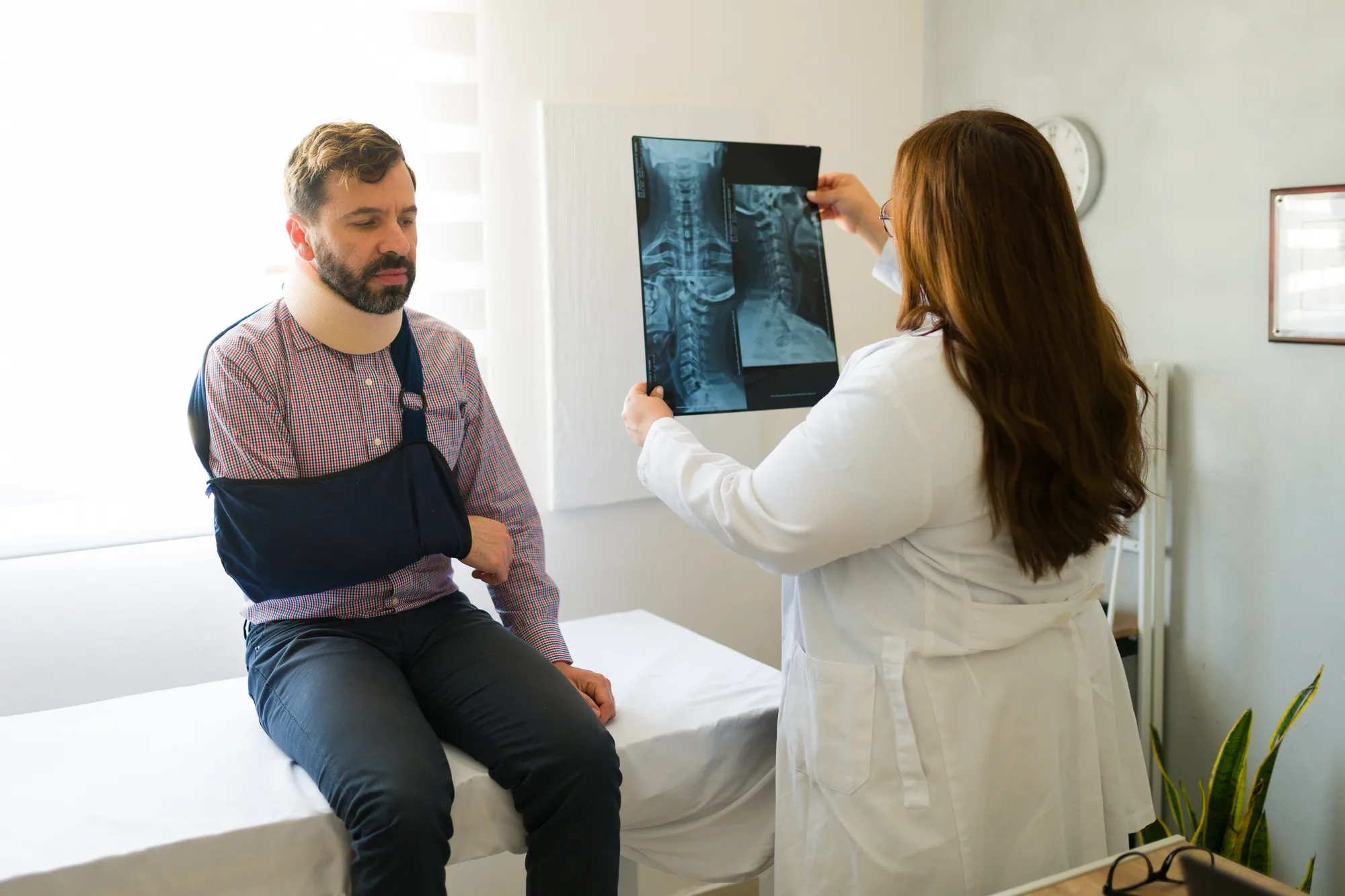
At the Jey Institute, we diagnose Cervical Radiculopathy through physical exams and imaging studies that help identify the affected nerve and the source of pressure in the neck.
- Medical history and physical examination: We evaluate strength, reflexes, sensation, arm movement, and other neurologic changes that may suggest nerve compression.
- Spurling’s test: This exam uses controlled neck positioning to reproduce symptoms affecting the arm or hand.
- MRI scans: MRI imaging helps identify herniated discs, narrowing, or other changes affecting the nerves.
- CT scans: CT imaging provides a closer evaluation of the bones and openings surrounding the nerves.
- X-rays: These images help evaluate spinal alignment, disc height, and arthritis-related changes in the neck.
- EMG and nerve conduction studies: These tests may help determine nerve dysfunction when symptoms are harder to diagnose clearly.
Our treatment approach for Cervical Radiculopathy

01
Conservative care

02
Epidural steroid injections

03
Surgical intervention
Non-surgical treatment for Cervical Radiculopathy
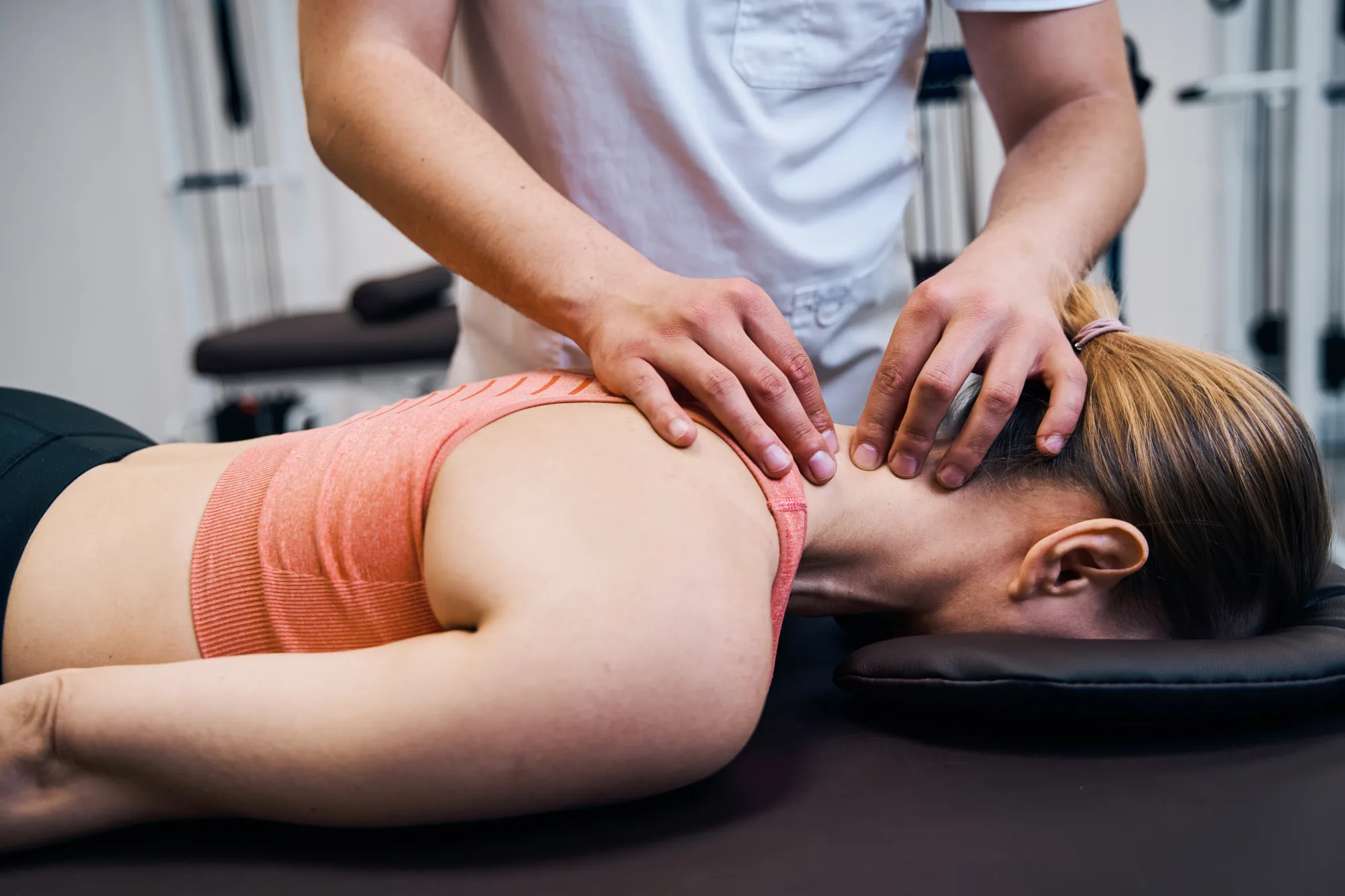
Many people improve without surgery, especially when treatment begins before nerve irritation becomes more severe. Non-surgical care focuses on reducing pressure around the affected nerve and helping patients move more comfortably throughout the day.
We evaluate each patient’s symptoms, strength, and mobility before recommending the next step in treatment.
Treatment options may include:
- Physical therapy to improve strength, flexibility, and posture
- Anti-inflammatory medication to reduce swelling and discomfort
- Activity modifications that help avoid movements triggering symptoms
- Epidural steroid injections to reduce inflammation near the nerve
- Short periods of rest while symptoms settle
When is surgery needed for Cervical Radiculopathy?
We consider surgery when symptoms continue despite physical therapy, medication, injections, or other non-surgical treatments.
Surgery may also become necessary when patients start dropping objects more often, struggle to lift everyday items, or notice the affected arm becoming less reliable during normal activity.
Some people reach a point where pain repeatedly returns or simple daily tasks become frustrating. Turning the head, carrying groceries, working at a desk, or sleeping comfortably may become more difficult over time.
In these cases, surgery can relieve pressure on the affected nerve and help reduce symptoms moving into the arm or hand.
Motion-preserving surgery options
Some neck surgeries relieve pressure on the nerve while preserving more natural movement afterward. Artificial disc replacement is one option that may maintain more motion compared to traditional fusion surgery.
Before recommending this option, we assess the condition of the discs, spinal alignment, and the location of the nerve compression.
Common procedures used to treat Cervical Radiculopathy
Anterior Cervical Discectomy and Fusion
Considering an anterior cervical discectomy and fusion in New Jersey? Learn how the procedure works, who may be a candidate, and what to expect before and after surgery.
Posterior Cervical Fusion
Considering a posterior cervical fusion in New Jersey? Learn how the procedure works, who may be a candidate, and what to expect before and after surgery.
Getting Back to life
Recovery after surgery for Cervical Radiculopathy
Recovery after cervical radiculopathy surgery depends on the type of procedure and how much healing the neck requires afterward. Many patients return home the same day or after one night in the hospital.
Neck soreness, stiffness, or mild swallowing discomfort may occur during the early stages of recovery, especially after surgery performed through the front of the neck. Walking often begins shortly after surgery, while heavier physical activity may take longer.
Most people return to desk work and lighter daily activity within several weeks, although recovery timelines vary depending on the procedure. Physical therapy may also help improve movement and strength during recovery.

Who is a candidate for Cervical Radiculopathy treatment?
Treatment recommendations vary depending on symptom severity, imaging findings, response to conservative care, and the impact symptoms have on daily function.
Candidates may include:
- Patients whose symptoms continue despite physical therapy, medication, or other non-surgical care
- Patients with imaging that shows a disc, joint, or nearby bone compressing a nerve in the neck
- Adults with worsening arm weakness or reduced sensation
- Patients seeking minimally invasive surgical options

Dr. Shiveindra Jeyamohan
Lead Spinal Neurosurgeon
Why choose the Jey Institute for your Cervical Radiculopathy treatment?
At the Jey Institute, we treat cervical radiculopathy and other nerve-related spine conditions using advanced minimally invasive and microscopic surgical techniques.
We tailor each treatment plan to the patient’s symptoms, nerve compression, and functional goals to support recovery, mobility, and long-term relief.
- 2,200+ Patients served
- 650+ Surgeries performed
Frequently asked questions about Cervical Radiculopathy
Can a pinched nerve in the neck cause headaches?
Yes. A pinched nerve in the neck may cause headaches along with neck pain, especially near the base of the skull. Muscle tension and irritation in the upper neck can also contribute to headache symptoms.
Can cervical radiculopathy affect both arms?
Yes. Cervical radiculopathy may affect both arms, although many cases cause more noticeable symptoms on one side of the body.
Can cervical radiculopathy cause permanent nerve damage?
Yes. Long-term nerve compression or irritation can sometimes lead to lasting numbness, reduced sensation, or arm weakness, especially when symptoms remain untreated for an extended period.
How long should I try conservative care before considering surgery?
Most patients try conservative treatment for about 6 to 8 weeks before considering surgery. Physical therapy, medication, activity modification, and other non-surgical treatments may help reduce irritation around the nerve during this time. We may recommend surgery sooner if symptoms continue worsening or significant arm weakness develops.
Is cervical radiculopathy the same as a herniated disc?
No. A herniated disc is one possible cause of cervical radiculopathy, but arthritis, bone spurs, and narrowing around the nerve can also lead to the condition.
What does a pinched nerve in the neck feel like?
A pinched nerve in the neck may cause sharp pain, burning sensations, numbness, or “pins and needles” that travel from the neck into the shoulder, arm, or hand. Certain neck movements may also worsen symptoms throughout the day.
What’s the difference between Cervical Radiculopathy and Cervical Myelopathy?
Cervical radiculopathy affects an individual nerve in the neck and usually causes symptoms along one arm, including pain, numbness, tingling, or weakness. Cervical myelopathy involves compression of the spinal cord itself and may lead to balance problems, hand coordination issues, weakness, dropping objects, or loss of bladder control.
Because cervical myelopathy affects the spinal cord, we generally consider it more serious, and it may require surgery sooner, sometimes urgently.
When should arm weakness become concerning?
Arm weakness becomes more concerning when lifting objects, gripping items, or performing normal hand movements becomes noticeably harder. Progressive weakness, dropping objects more often, or worsening coordination may require prompt medical evaluation.
Will Cervical Radiculopathy go away on its own?
Cervical Radiculopathy may improve with physical therapy, medication, rest, and other non-surgical care. Symptoms often settle gradually as irritation around the affected nerve decreases. When pain, numbness, or arm weakness continues despite conservative care, injections or surgery may become necessary.
Will I regain full arm strength and feeling?
Many patients regain full arm strength and sensation, especially when treatment begins before the nerve becomes more severely affected. In cases of cervical myelopathy, treatment may focus more on preventing further decline and preserving function.
Locations throughout New Jersey
Dover, NJ
50 Nelson St.
Dover NJ 07801
Clifton, NJ
735 Clifton Avenue
Clifton NJ 07013
Hamilton, NJ
311 Whitehorse Ave.,
Hamilton Township, NJ
08610
Little Silver, NJ
200 White Road,
Little Silver, NJ 07739
Suite 111
East Brunswick, NJ
180 Tices Lane
East Brunswick NJ 08816
Suite 106
West Orange, NJ
414 Eagle Rock Ave,
West Orange, NJ 07052
Suite 304
Local reviews from real patients
Bernice
Eddie
Steve W.
Steven C.
Michelle G.
Verified Patient
Verified Patient
Verified Patient
Verified Patient
Verified Patient
Jim D.
Eric F.