
Lumbar Stenosis Treatment in New Jersey
The Jey Institute treats lumbar stenosis in New Jersey for patients experiencing leg pain, numbness, weakness, and walking difficulty caused by nerve compression in the lower spine.


Definition
What is a Lumbar Stenosis?
Lumbar stenosis occurs when the space available for the nerves in the lower back becomes too narrow. As the spinal canal tightens, the nerves that travel into the legs no longer have enough room and can become irritated or compressed.
In most cases, this narrowing develops slowly over time. Age-related changes in the discs, joints, and supporting structures of the spine gradually crowd the spinal canal and place increasing pressure on the nerves.
Unlike a herniated disc that may affect a single nerve, lumbar stenosis often places pressure on multiple nerves traveling through the lower spine.
Common symptoms of Lumbar Stenosis
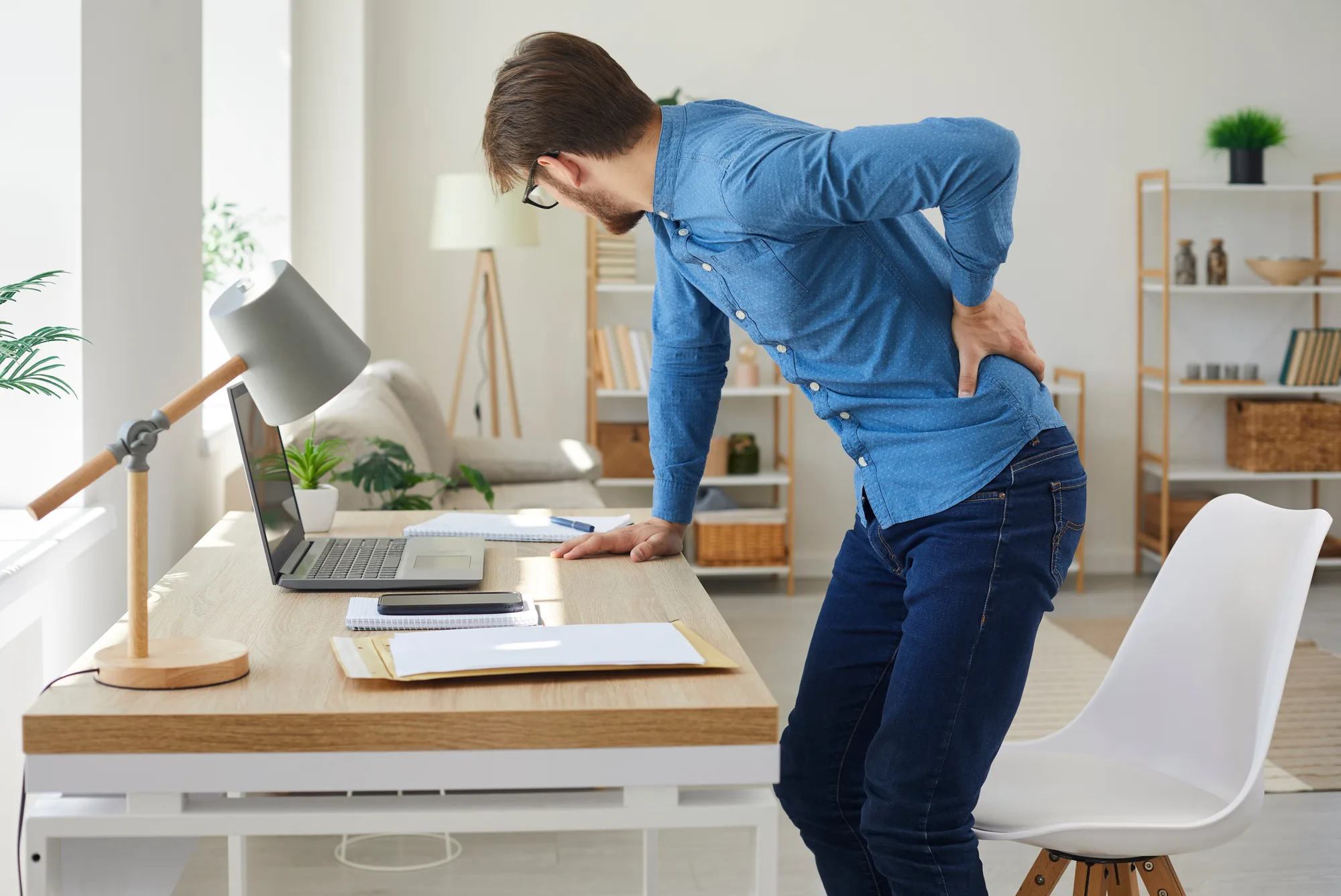
Lumbar stenosis most commonly affects the buttocks, thighs, calves, and feet. Symptoms often appear during standing or walking because these positions place additional pressure on the nerves in the lower spine. Many patients notice they can sit comfortably but struggle to remain on their feet for extended periods.
- Pain, cramping, heaviness, or fatigue in the legs while walking
- Numbness or tingling in the legs or feet
- Weakness in the legs
- Difficulty maintaining balance
- Lower back pain or stiffness
- Symptoms that improve when sitting down or leaning forward
- Changes in bladder or bowel control in severe cases that require immediate medical attention
Neurogenic claudication
Neurogenic claudication is the hallmark symptom of lumbar stenosis. Patients often describe their legs as feeling tired, heavy, weak, or unreliable after standing or walking for a period of time.
A common clue is the “shopping cart sign.” Many people notice they can walk farther when leaning forward over a shopping cart, walker, or countertop than when standing fully upright. This happens because bending forward opens the spinal canal and temporarily reduces pressure on the nerves.
As lumbar stenosis progresses, symptoms may develop after shorter periods of activity and require more frequent rest breaks.
Definition
What causes Lumbar Stenosis?
Lumbar stenosis usually develops as changes within the spine gradually reduce the amount of room available for the nerves. These changes typically occur over many years and may involve the discs, joints, ligaments, or surrounding bones.
Common causes include:
- Age-related degenerative changes (most common cause)
- Thickening of the ligamentum flavum
- Bulging or herniated discs
- Bone spurs caused by spinal arthritis
- Spondylolisthesis contributing to spinal narrowing
- A congenitally narrow spinal canal
- Scar tissue from prior surgery
- Trauma to the spine.

Dr. J explained everything in a simplified way that made me very comfortable, and his staff went above and beyond.



When to reach out
When should you see a spine specialist for Lumbar Stenosis?
You should consider seeing a spine specialist when lumbar stenosis begins limiting your ability to walk, stand, or participate in activities you normally enjoy.
Many patients seek evaluation after noticing they need to stop and rest more frequently during shopping trips, exercise, travel, or other everyday activities.
Evaluation also becomes important when numbness, weakness, or balance problems start affecting confidence while walking. Sudden changes in bladder or bowel control require immediate medical attention.
Risks of untreated Lumbar Stenosis
Without treatment, lumbar stenosis can continue narrowing the space around the nerves and cause symptoms to become more noticeable over time. Pain, numbness, tingling, or weakness may affect larger areas of the legs and make physical activity increasingly difficult.
As nerve compression progresses, some patients experience worsening leg weakness, reduced balance, or increasing difficulty walking longer distances.
In advanced cases, prolonged nerve compression may contribute to lasting nerve dysfunction.
Severe lumbar stenosis can also affect bladder or bowel control. This requires immediate medical attention.
How do we diagnose Lumbar Stenosis?
At the Jey Institute, we diagnose lumbar stenosis by matching a patient’s symptoms with imaging that shows where narrowing is affecting the nerves in the lower spine. Because leg symptoms can result from several conditions, and many adults have age-related changes in the spine without symptoms, imaging alone does not confirm lumbar stenosis.
We compare imaging findings with a patient’s specific symptoms and physical examination to determine whether the narrowing is responsible for the problem.
- Review of medical history and symptoms
- Physical and neurologic examination
- MRI scans to evaluate narrowing around the nerves
- Standing X-rays to assess spinal alignment and stability
- CT myelogram when MRI scans are not possible
Lumbar Stenosis Treatment Approach

01
Conservative care

02
Epidural steroid injections

03
Minimally invasive decompression and/or fusion
When is surgery needed for Lumbar Stenosis?
We typically consider surgery when symptoms continue limiting walking, standing, or quality of life despite appropriate non-surgical treatment.
Some patients reach a point where they begin avoiding travel, exercise, social activities, or routine errands because symptoms repeatedly interrupt what they want to do. Others develop progressive weakness, worsening numbness, or increasing difficulty maintaining balance.
The goal of surgery is to relieve nerve compression and improve leg symptoms so patients can return to a more active lifestyle.
Common Procedures we perform to treat Lumbar Stenosis
Lumbar Microdiscectomy / Laminectomy
Considering a lumbar microdisectomy or laminectomy in New Jersey? Learn how the procedure works, who may be a candidate, and what to expect before and after surgery.
Minimally-Invasive Lumbar Fusion
Considering minimally invasive lumbar fusion in New Jersey? Learn how the procedure works, who may be a candidate, and what to expect before and after surgery.
Getting Back to life
Recovery after Lumbar Stenosis surgery
The recovery process after lumbar stenosis surgery depends on the type of procedure performed and how much the lower back was affected before treatment. Many patients who undergo minimally invasive surgery return home the same day or after a short hospital stay.
Walking usually begins shortly after surgery. While soreness and fatigue are common during the first few weeks, many patients notice leg pain, numbness, or heaviness easing early in the recovery process. Recovery of strength and sensation may take longer, especially when symptoms have been present for an extended period.
During the initial stages of recovery, patients typically avoid heavy lifting and limit excessive bending or twisting. As healing progresses, most people gradually return to normal activities. Minimally invasive procedures often allow for a faster recovery because they require smaller incisions and cause less disruption to surrounding tissue.

Who is a candidate for Lumbar Stenosis treatment?
We evaluate patients with both mild and advanced lumbar stenosis symptoms. Some patients seek care after noticing early changes in walking endurance, while others continue experiencing symptoms despite previous treatment.
Candidates for treatment may include:
- Patients with imaging-confirmed lumbar stenosis and symptoms that correspond to the affected nerves
- Adults whose leg symptoms limit walking, standing, or other daily activities
- Patients who no longer improve with physical therapy, medication, injections, or other conservative treatments
- Patients seeking minimally invasive alternatives to traditional open spine surgery

Dr. Shiveindra Jeyamohan
Lead Spinal Neurosurgeon
Why choose the Jey Institute for your Lumbar Stenosis treatment?
At the Jey Institute, we specialize in treating lumbar stenosis and other conditions that cause nerve compression in the spine.
Our team uses advanced minimally invasive and microscopic techniques designed to relieve pressure on the affected nerves while minimizing disruption to surrounding muscles and tissue.
- 2,200+ Patients served
- 650+ Surgeries performed
Frequently asked questions about Lumbar Stenosis
Can I avoid fusion surgery?
Yes. Some patients can avoid fusion surgery and achieve good symptom relief with minimally invasive decompression surgery alone. The need for fusion often depends on whether spinal instability, abnormal movement between the vertebrae, or other structural issues are contributing to the problem.
Can Lumbar Stenosis affect balance?
Yes. Numbness, pain, and weakness in the legs can affect balance, particularly during standing and walking. As symptoms progress, some patients feel less steady on their feet and become more cautious with movement.
Balance problems are also one reason many patients begin spending more time sitting and avoiding activities that require prolonged standing or walking.
Can Lumbar Stenosis cause permanent nerve damage?
Yes. Significant weakness, numbness, or nerve dysfunction that remains untreated for years can sometimes become permanent. The longer nerves remain compressed, the greater the risk that symptoms may not fully improve, even after treatment.
This is one reason we encourage patients with worsening weakness, numbness, or walking difficulties to seek evaluation before symptoms become more advanced.
Can physical therapy help Lumbar Stenosis?
Yes. Physical therapy is often one of the first treatments we recommend for lumbar stenosis and can be very effective for improving strength, mobility, flexibility, and walking tolerance. Many patients experience meaningful symptom relief without surgery.
However, if symptoms continue progressing despite therapy and other conservative treatments, surgery may need to be considered.
Does Lumbar Stenosis always require surgery?
No. Many patients manage their symptoms successfully with physical therapy, medication, activity modification, or injections. Surgery is generally considered when symptoms continue despite conservative treatment or begin significantly limiting walking, standing, exercise, or other daily activities.
How long is recovery after decompression?
Recovery is often relatively quick after minimally invasive decompression surgery. Most patients return home the same day and begin walking and caring for themselves immediately afterward. Recovery timelines vary, but many patients resume light daily activities shortly after surgery and continue improving as healing progresses.
Is lumbar stenosis the same as a pinched nerve?
No. Lumbar stenosis typically involves narrowing of the central spinal canal, where multiple nerves travel through the lower back. A pinched nerve usually affects a single nerve as it exits the spine. Because lumbar stenosis can affect several nerves at the same time, symptoms often involve both legs and may affect walking, balance, and overall mobility.
What activities make Lumbar Stenosis worse?
Prolonged standing and walking commonly make lumbar stenosis symptoms worse because these positions place additional pressure on the affected nerves. However, many patients incorrectly assume they should stop walking altogether. This can lead to reduced strength, conditioning, and overall health.
Staying active within your limits remains important, and many patients benefit from a structured walking or exercise program despite their symptoms.
Why does leaning forward help my symptoms?
Leaning forward opens the spinal canal and creates more room for the nerves. This temporarily reduces pressure on the affected nerves and often makes standing or walking feel easier. This is why many people with lumbar stenosis notice they can walk farther when leaning over a shopping cart, walker, or countertop.
Will my symptoms get worse if I do nothing?
Often, yes. Lumbar stenosis symptoms commonly become more noticeable over time if the underlying narrowing is not addressed. Many patients notice that they cannot walk as far as they used to, need to stop and rest more often, or find that leg symptoms begin affecting everyday activities.
Locations throughout New Jersey
Dover, NJ
50 Nelson St.
Dover NJ 07801
Clifton, NJ
735 Clifton Avenue
Clifton NJ 07013
Hamilton, NJ
311 Whitehorse Ave.,
Hamilton Township, NJ
08610
Little Silver, NJ
200 White Road,
Little Silver, NJ 07739
Suite 111
West Orange, NJ
414 Eagle Rock Ave,
West Orange, NJ 07052
Suite 304
East Brunswick, NJ
180 Tices Lane
East Brunswick NJ 08816
Suite 106
Local reviews from real patients
Bernice
Eddie
Steve W.
Steven C.
Michelle G.
Verified Patient
Verified Patient
Verified Patient
Verified Patient
Verified Patient
Jim D.
Eric F.