
Minimally-Invasive Lumbar Fusion in New Jersey
Minimally invasive lumbar fusion (MIS fusion) uses small incisions to stabilize the lower back while minimizing disruption to nearby muscles and soft tissues. Compared to traditional open surgery, this approach often results in less blood loss, reduced tissue damage, and a faster recovery for many patients.


Definition
What is a Minimally Invasive Lumbar Fusion?
MIS fusion is a technique that permanently joins two or more vertebrae in the lower back to reduce painful movement and improve spinal stability. The goal is to create a solid connection between the involved bones and help alleviate symptoms caused by instability, degeneration, or nerve compression.
This procedure may involve removing damaged disc material, relieving pressure on nearby nerves, and placing bone graft material or an implant between the affected vertebrae. Over time, the treated bones grow together into a single, stable segment. Although it achieves the same goal as traditional lumbar fusion, specialized instruments and imaging technology allow surgeons to access the spine through a smaller surgical pathway.
Candidacy
How Do You Know If You Need a Minimally Invasive Lumbar Fusion?
Minimally invasive lumbar fusion is often considered when a lower back condition begins to interfere with mobility, daily activities, or quality of life. While many back problems improve without surgery, some conditions can continue progressing and may require a more lasting solution.
Signs that may indicate the need for minimally invasive lumbar fusion include:
- Lower back pain accompanied by leg pain, numbness, or weakness
- Spondylolisthesis that continues causing symptoms despite non-surgical treatment
- A recurrent disc herniation that may require additional support at the affected spinal level
- Spinal stenosis combined with instability or abnormal movement between the vertebrae
- Ongoing symptoms that have not improved with physical therapy, medication, or injections
- Imaging studies showing spinal instability that matches a patient’s symptomsOngoing symptoms that have not improved with physical therapy, medication, or injections

How do you know if you need a Minimally Invasive Lumbar Fusion?
A Minimally invasive lumbar fusion is often considered when a lower back condition begins to interfere with mobility, daily activities, or quality of life.
While many back problems improve without surgery, some conditions can continue progressing and may require a more lasting solution
Signs that may indicate the need for minimally invasive lumbar fusion include:
- Lower back pain accompanied by leg pain, numbness, or weakness
- Spondylolisthesis that continues causing symptoms despite non-surgical treatment
- A recurrent disc herniation that may require additional support at the affected spinal level
- Spinal stenosis combined with instability or abnormal movement between the vertebrae
- Imaging studies showing spinal instability that matches a patient’s symptoms
- Ongoing symptoms that have not improved with physical therapy, medication, or injections
How do we perform a Minimally Invasive Lumbar Fusion?
01
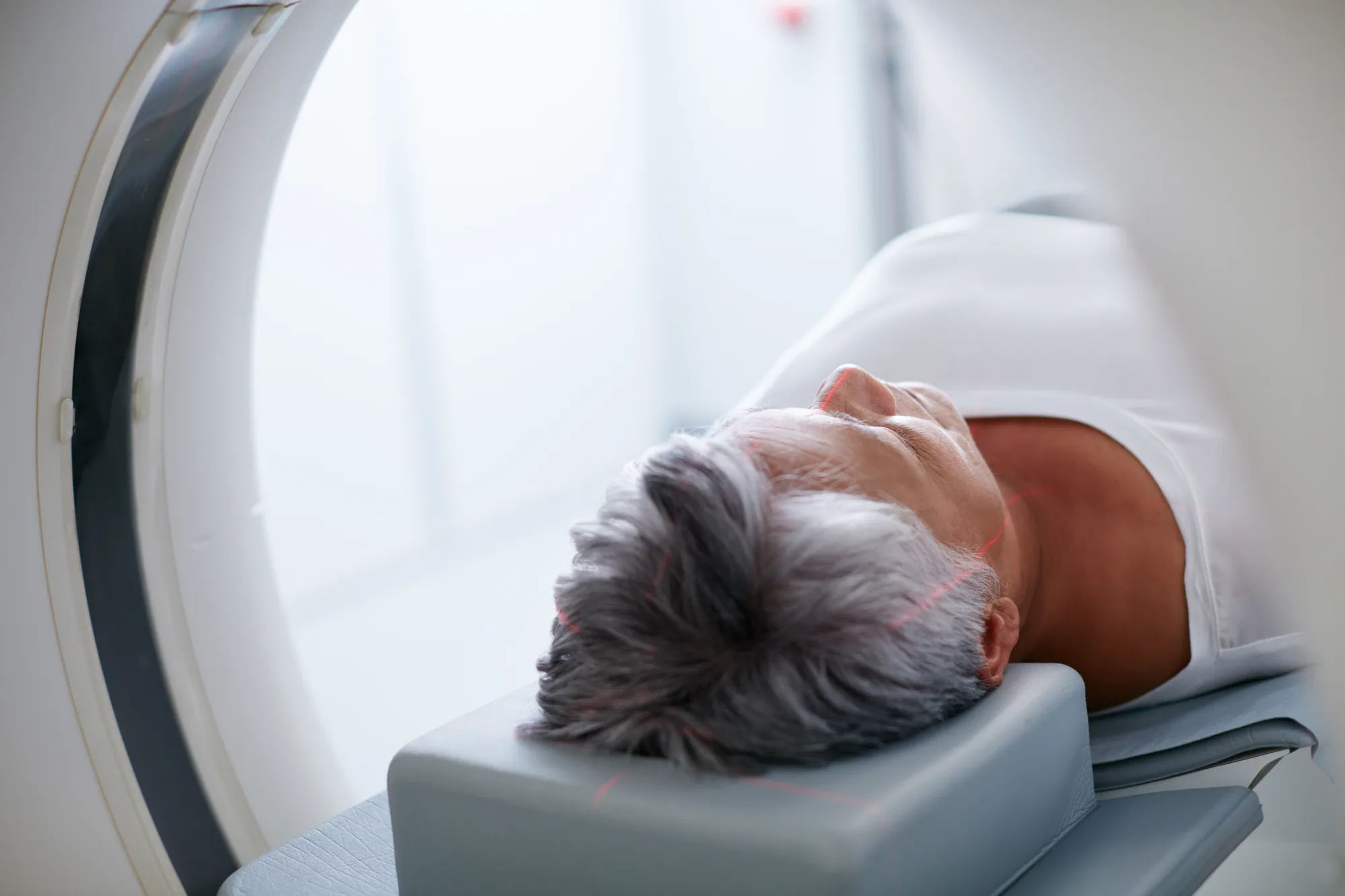
Preoperative planning and access
02
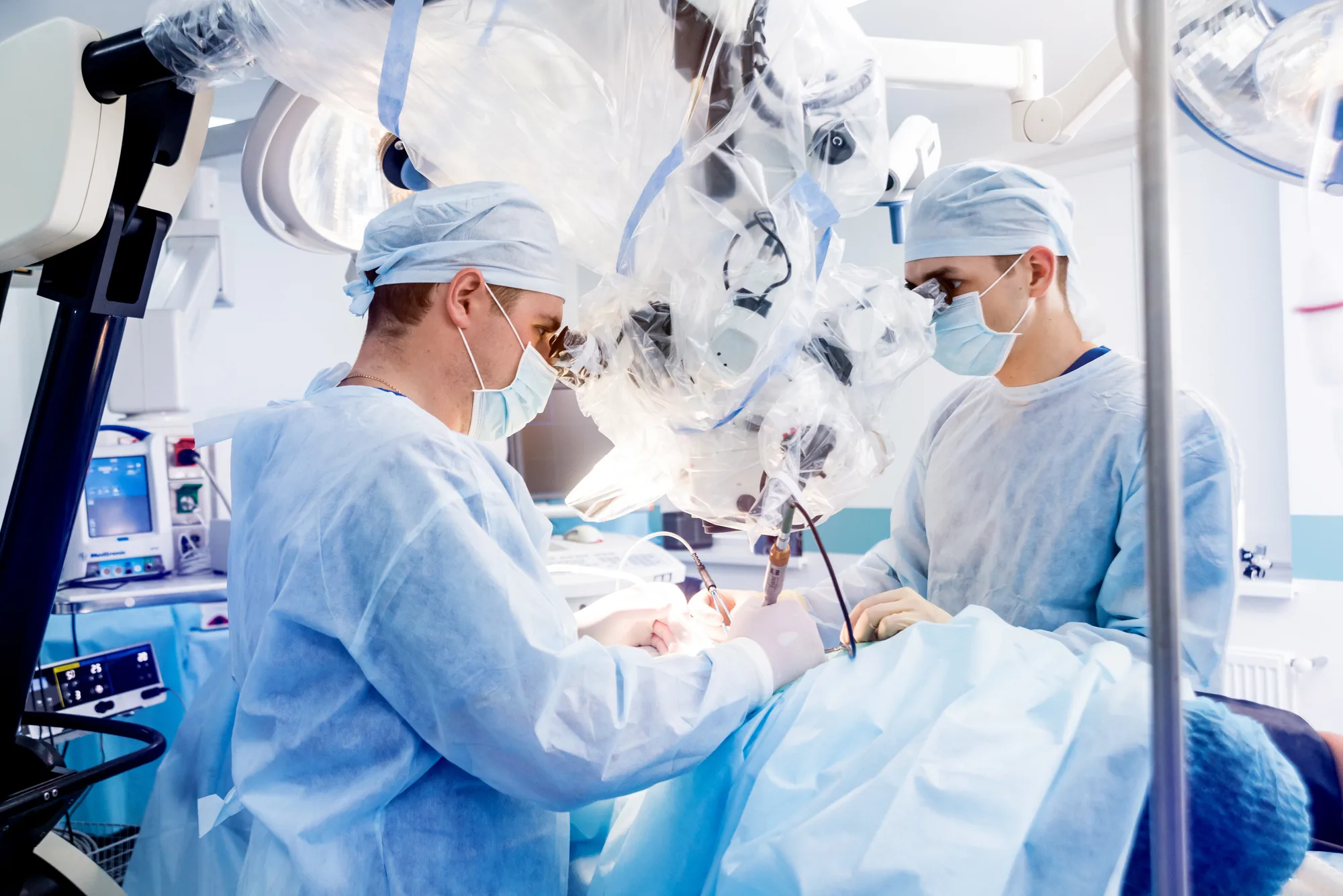
Decompression and disc preparation
03
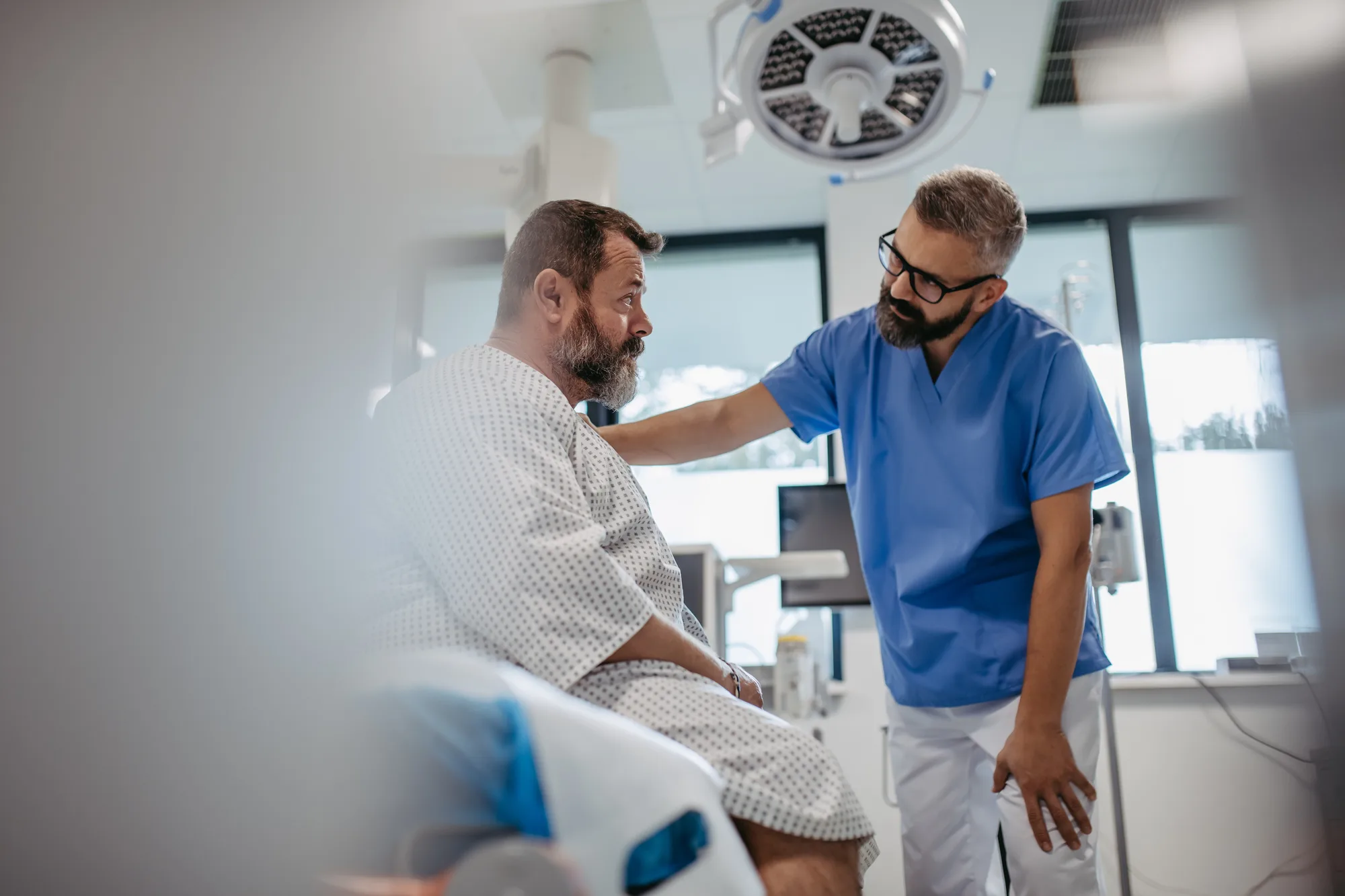
Interbody graft and instrumentation
Recovery
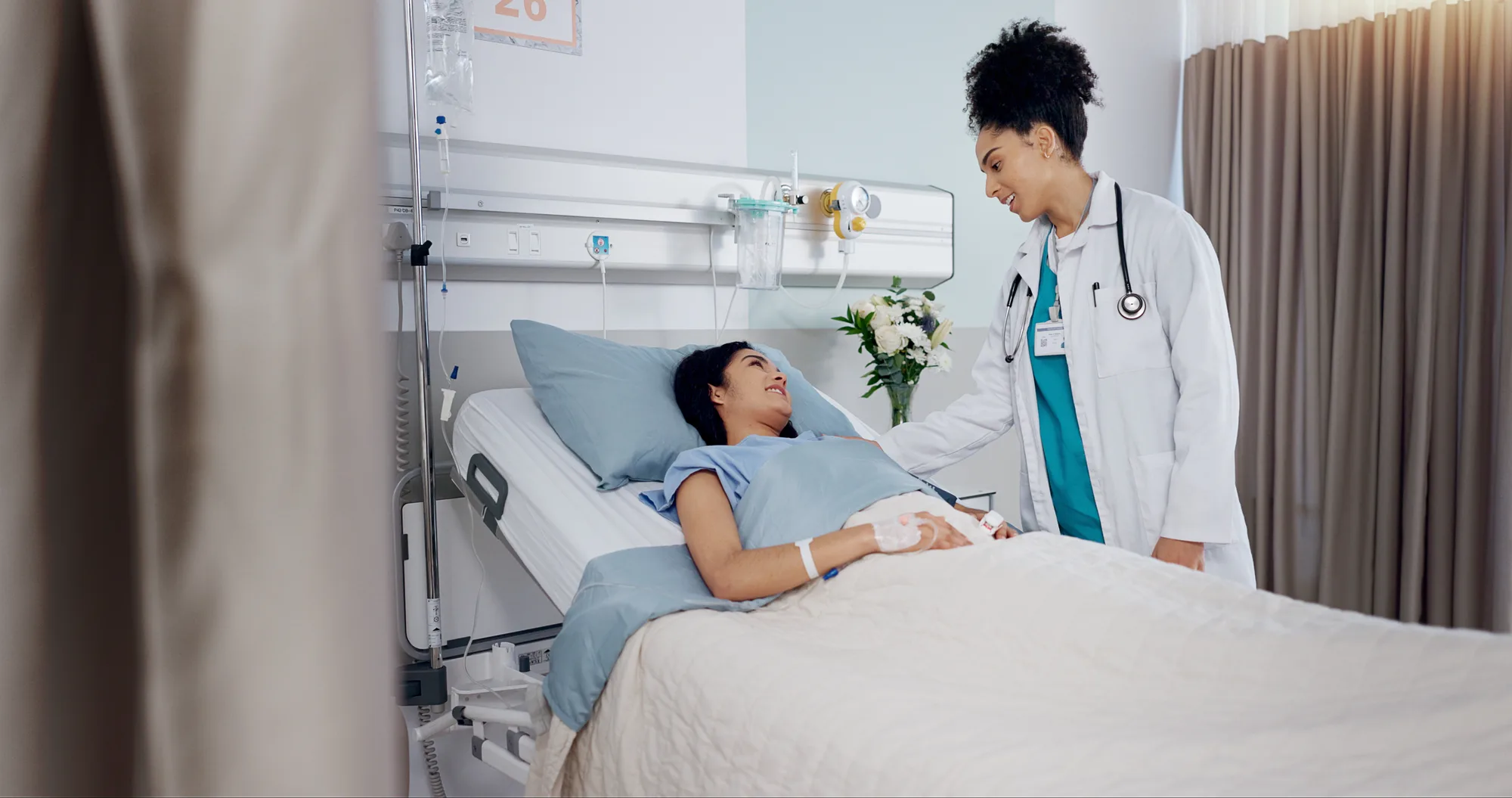
What Is Recovery Like After Minimally Invasive Lumbar Fusion?
Most patients start walking shortly after minimally invasive lumbar fusion, and some return home the same day. Early recovery focuses on gradually increasing movement while allowing the lower back time to heal.
Although many patients return to light activities relatively early, the fusion process continues over several months as the bones heal together. Physical therapy may be recommended during recovery, and follow-up visits help monitor healing and determine when it is safe to resume more demanding activities.
Common conditions that may require Minimally Invasive Lumbar Fusion
Degenerative Disc Disease
Learn about degenerative disc disease treatment in New Jersey for chronic back pain, neck pain, stiffness, and other symptoms caused by age-related disc degeneration.
Scoliosis
The Jey Institute provides personalized scoliosis treatment in New Jersey through advanced evaluation, non-surgical care, and minimally invasive spine surgery.

Dr. Shiveindra Jeyamohan, MD.
Chief Surgeon & Medical Director
Meet the clinical lead
Why choose The Jey Institute for Minimally Invasive Lumbar Fusion?
Choosing a specialist for minimally invasive lumbar fusion in New Jersey involves more than finding the right procedure.
Experience, surgical volume, and patient outcomes all play an important role when considering treatment.
- 5,000+ Patients served
- 3,000+ Surgeries performed
- 95% Same-day recovery rate
Areas we serve in New Jersey
Dover, NJ
50 Nelson St.
Dover NJ 07801
East Brunswick, NJ
180 Tices Lane
East Brunswick NJ 08816
Suite 106
West Orange, NJ
414 Eagle Rock Ave,
West Orange, NJ 07052
Suite 304
Clifton, NJ
735 Clifton Avenue
Clifton NJ 07013
Hamilton, NJ
311 Whitehorse Ave.,
Hamilton Township, NJ
08610
Little Silver, NJ
200 White Road,
Little Silver, NJ 07739
Suite 111
Frequently asked questions about Minimally Invasive Lumbar Fusion
Am I a candidate for the minimally invasive approach?
Many patients who need lumbar fusion may be candidates for a minimally invasive procedure. However, the best approach depends on the condition being treated, the structure of the spine, and other individual factors.
A thorough evaluation helps determine whether a minimally invasive approach can safely and effectively address the source of the problem.
Are smaller incisions the only advantage of minimally invasive fusion?
No. This approach may also reduce blood loss, shorten the hospital stay, and support an earlier recovery. However, results vary from one patient to another.
Can minimally invasive fusion treat the same conditions as open fusion?
Often, yes. Minimally invasive lumbar fusion can treat many of the same lower back conditions as traditional open fusion, although the most appropriate approach depends on the underlying condition and the overall structure of the spine.
How is MIS fusion different from a traditional open fusion?
Both minimally invasive lumbar fusion and traditional open fusion aim to achieve the same result, but MIS fusion reaches the spine through a smaller surgical corridor. This approach generally causes less disruption to nearby muscles and soft tissues, which may result in less blood loss, a lower risk of certain complications, and a faster early recovery for many patients.
How much faster is the recovery compared to open fusion?
Minimally invasive lumbar fusion often allows patients to return home on the day of surgery and begin walking shortly afterwards. Traditional open fusion typically involves a hospital stay of one to two days, which may lengthen the initial recovery period.
Recovery timelines vary from person to person, but the smaller incisions and reduced tissue disruption associated with minimally invasive surgery can help support an earlier return to activity.
Is the long-term success rate the same as traditional fusion?
In many cases, minimally invasive lumbar fusion can achieve results comparable to traditional open fusion. The long-term outcome often depends more on the underlying spinal condition and the success of the fusion than on the surgical approach itself.
What happens if I am not a candidate for minimally invasive surgery?
Not being a candidate for a minimally invasive procedure does not mean surgery is no longer an option. Some patients benefit more from a traditional open approach based on the complexity of their condition, spinal anatomy, or the goals of treatment.
When can I return to work and normal activities?
The timeline varies depending on the type of work performed and the progress of healing. Some patients with sedentary jobs may return to work within about a week, while sports and other strenuous activities may require nine months to a year before a full return is recommended.
Will I still need screws and rods with minimally invasive fusion?
Yes. Minimally invasive lumbar fusion still uses screws and rods to hold the spine in position while the bones heal together. The difference lies in how these implants are placed rather than whether they are used.
Real reviews from our past patients
“Dr. J was attentive, listened to me and showed that he truly cared about my problems. He explained in details and offered me expert opinions. I love that he treats patients as individual and truly listens.”
Bernice
“After being unhappy with my spine surgeon, I found Dr. J. He explained exactly what was wrong with me, made a game plan, and had his team help out in scheduling. Once he found where the problem was, he got me scheduled, did excellent work, and I was home in a couple days. The scar is WAY SMALLER than my original surgery, which wasn’t even as big! He really is a minimally invasive expert and my recovery was way faster!”
Eddie
“I’ve had 5 different operations on my back in the last decade. Dr. J did number 6. His scar was the smallest, least amount of pain, and for the first time after any surgery I went home the same day. Maybe I’m just getting used to surgery lol!”
Steve W.
“No doubt in my mind Dr. Jeyamohan saved my life.”
Steven C.
“Thank You from the bottom of my heart for getting my active lifestyle back- I’m so happy with the outcome- thank u for being honest about the pain I would experience in the first month of recovery- your bedside manner in the hospital was excellent – your PA Andrea was amazing as well- I would recommend Evergreen Health to everyone and my team of docs was super- Thank U Dr J, Dr Nora, and Dr Ting!! Feels amazing to be standing tall with great posture everyday I’m getting stronger”
Michelle G.
“Kind and thorough. Top quality and felt safe throughout.”
Verified Patient
“Took the time to explain my pictures and what was wrong with me, and gave me many different options. Answered every single one of my questions and even a few over the phone. Went home the same day and on my way to a full recovery! Office is clean, bright, and everyone was super friendly and helpful! Andrea his assistant has been a treasure!”
Verified Patient
“Incredibly thorough, took his time to explain and answer all my questions. Gave me plenty of options. I probably visited with him three or four times before committing to surgery, never once did he rush me. Saw me every day in the hospital, walked with me. I’m so thankful I had the surgery with him. I saw two other spine surgeons who didn’t even want to take on such a complicated operation but Dr. J did incredible work and I’m back to walking on my own! I don’t even need a cane anymore”
Verified Patient
“First, the office was not good. Getting an appointment, scheduling, paperwork, was a nightmare. But once I got in to see Dr. J, it was smooth sailing! He got me the tests I needed, talked to me about treatment options, and helped me set up an injection. We talked about different surgeries, got me scheduled, did great work, and made sure I had follow-up appointments. I’m back to the farm ahead of schedule and back to work. If only I could have got in to see him sooner.”
Verified Patient
“I have to be honest here and own up. I saw three different spine surgeons and was worried “Dr. Jey” as everyone calls him was too young. I went with someone else who fused three levels in my back. I did horribly with lots of complications. After getting over all my issues, I swallowed my pride and went back to Dr. Jey. He never made me feel bad and graciously took a look at everything, ordered more tests, and showed me what was going on. Bad news, he says he couldn’t undo the fusion. Worse news, it’s now an even bigger operation to fix, and he was honest and said the best we can do is try to get me…”
Verified Patient
“My experience was excellent. Dr J is very knowledgeable explained everything in a simplified way that made me very comfortable. His staff went above and beyond answer any question I had No matter what the question was. I can’t thank Dr J and his staff enough For helping me get through this spine Injury.”
Jim D.
“I am a 45 year old male who led an active lifestyle when a back injury changed my life. I went from working and being active with my 4 children to suddenly I couldn’t make any movement without excruciating pain. The type of pain I can’t even explain in words. I went to see Dr. Jeyamohan on the referral of my sister who is a physician as well. When I walked into the office the team had already looked at my MRI and explained to me in honest terms that we had an emergency situation on our hands and that delaying surgery was simply not an option. Dr. Jeyamohan Made calls and got me scheduled for emergency back surgery right…”
Eric F.