
Scoliosis Treatment in New Jersey
The Jey Institute provides personalized scoliosis treatment in New Jersey through advanced evaluation, non-surgical care, and minimally invasive spine surgery.

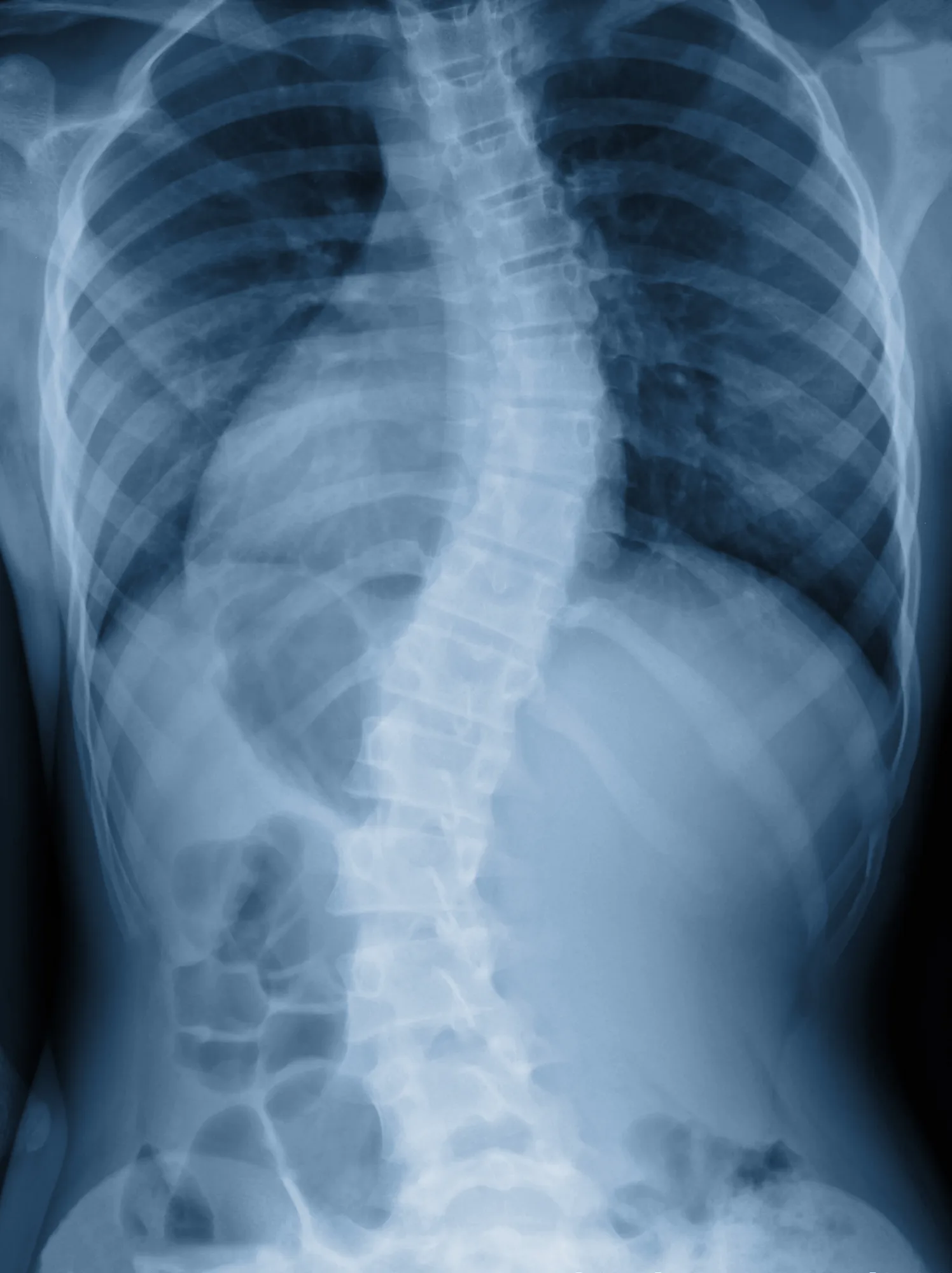
Definition
What is Scoliosis?
Scoliosis is a condition where the spine curves sideways and gradually twists out of its normal alignment. The curve can develop in different parts of the spine and may range from mild to severe depending on how much the spine shifts and rotates over time.
This condition can develop at different stages of life. Many cases begin during adolescence without a clearly identifiable cause, while adult scoliosis often develops later as the discs and joints in the spine gradually wear down.
It may also develop after spinal injuries, congenital spinal abnormalities, previous spine surgery, or neuromuscular disorders that affect muscle control and spinal stability.
Types of Scoliosis
Idiopathic scoliosis
The most common type of scoliosis, where the spine curves and rotates without a clearly identifiable cause, most often during adolescence.
Degernarative Scoliosis
A form that develops later in life as age-related degeneration affects the discs, joints, and supporting structures of the spine.
Congenital Scoliosis
Develops when spinal abnormalities affect the normal formation of the spine before birth.
Neuromuscular Scoliosis
esults from conditions that affect muscle control and spinal stability, such as cerebral palsy or muscular dystrophy.
Post-traumatic scoliosis
May develop after spinal injuries, fractures, or previous spine surgery that alters spinal alignment.
Adult vs Adolescent Scoliosis
Scoliosis in adults
Adult scoliosis, however, more commonly causes ongoing back pain, stiffness, fatigue, nerve irritation, and problems with balance or mobility.
In many adults, age-related degeneration gradually affects the discs and joints of the spine. Over time, everyday activity and physical endurance may become more difficult.
Scoliosis in adolescents
Adolescent scoliosis is often discovered during growth spurts, sometimes before noticeable symptoms appear.
Symptoms of Scoliosis
Visible changes in posture or body alignment often reveal scoliosis early on.
During adolescence, uneven shoulders, hips, or rib positioning may become more noticeable during growth spurts or routine physical exams. Adults, however, often seek treatment after pain, nerve symptoms, or physical limitations begin interfering with day-to-day life.
- Uneven shoulders or hips
- One shoulder blade appears more prominent than the other
- An uneven waistline or visible rib prominence
- Ongoing back pain, especially in adults
- Stiffness or reduced flexibility in the spine
- Fatigue after standing or staying active for longer periods
- Numbness, weakness, or leg pain caused by nerve compression
- Shortness of breath or reduced endurance in severe cases
Dr. J explained everything in a simplified way that made me very comfortable, and his staff went above and beyond.


When to reach out
When should you see a spine specialist for Scoliosis?
It may be time to see a spine specialist for scoliosis treatment in New Jersey if the condition starts causing pain or noticeable changes in posture. In some cases, the spinal curve can also lead to leg pain, numbness, balance problems, or difficulty moving comfortably throughout the day.
Scoliosis is often discovered earlier in children and teenagers because physical changes become more noticeable during periods of growth.
Many adults do not realize the condition is progressing until normal daily activities start feeling more physically demanding or uncomfortable than before.
Risks of untreated Scoliosis
Without treatment, scoliosis can place increasing strain on the spine as the curve progresses over time. Some people live with mild curves for years, while others experience worsening pain, uneven posture, stiffness, and reduced mobility.
More severe scoliosis can make everyday movement more difficult and affect how the body maintains balance and distributes weight. In advanced cases, the spinal curve may also affect breathing function or make physical activity feel more exhausting than usual.
How is Scoliosis diagnosed?
At the Jey Institute, we diagnose scoliosis through physical examinations and imaging tests that measure the spinal curve and evaluate how the condition affects the spine and surrounding structures.
- Physical exam and medical history: We look for uneven shoulders, hips, or rib positioning while evaluating posture, spinal alignment, flexibility, and symptoms.
- Standing X-rays: These images measure the degree and location of the spinal curvature while standing upright.
- MRI scans: We may use MRI scans to identify nerve compression or abnormalities involving the discs, spinal cord, and surrounding soft tissues.
- CT scans: CT scans provide detailed images of the spinal bones and may help with surgical planning in more complex cases.
- Periodic imaging: Follow-up imaging helps us monitor whether the spinal curve remains stable or continues progressing over time.
Our Scoliosis treatment
approach

01
Observation
02
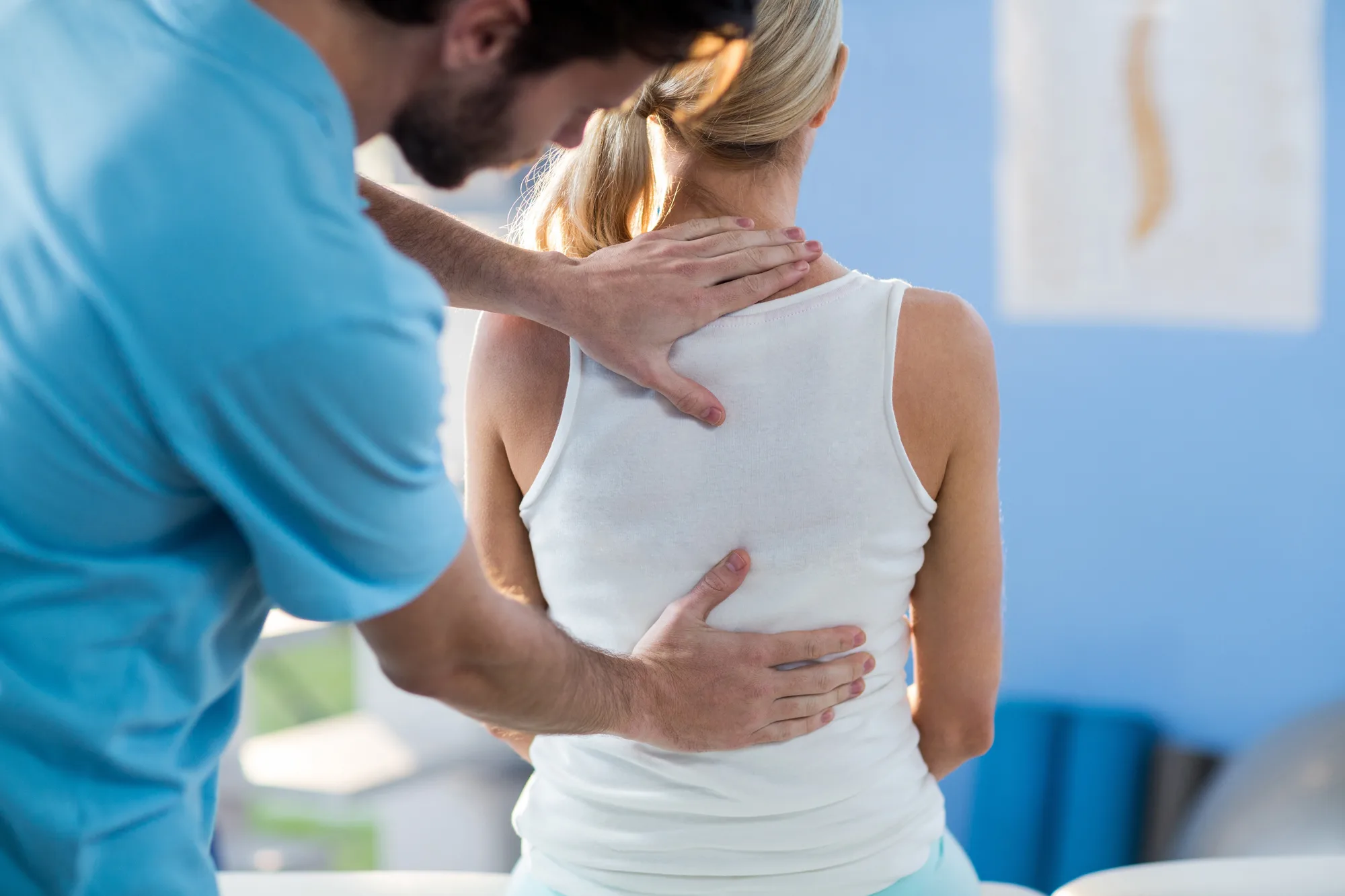
Non-operative management
03
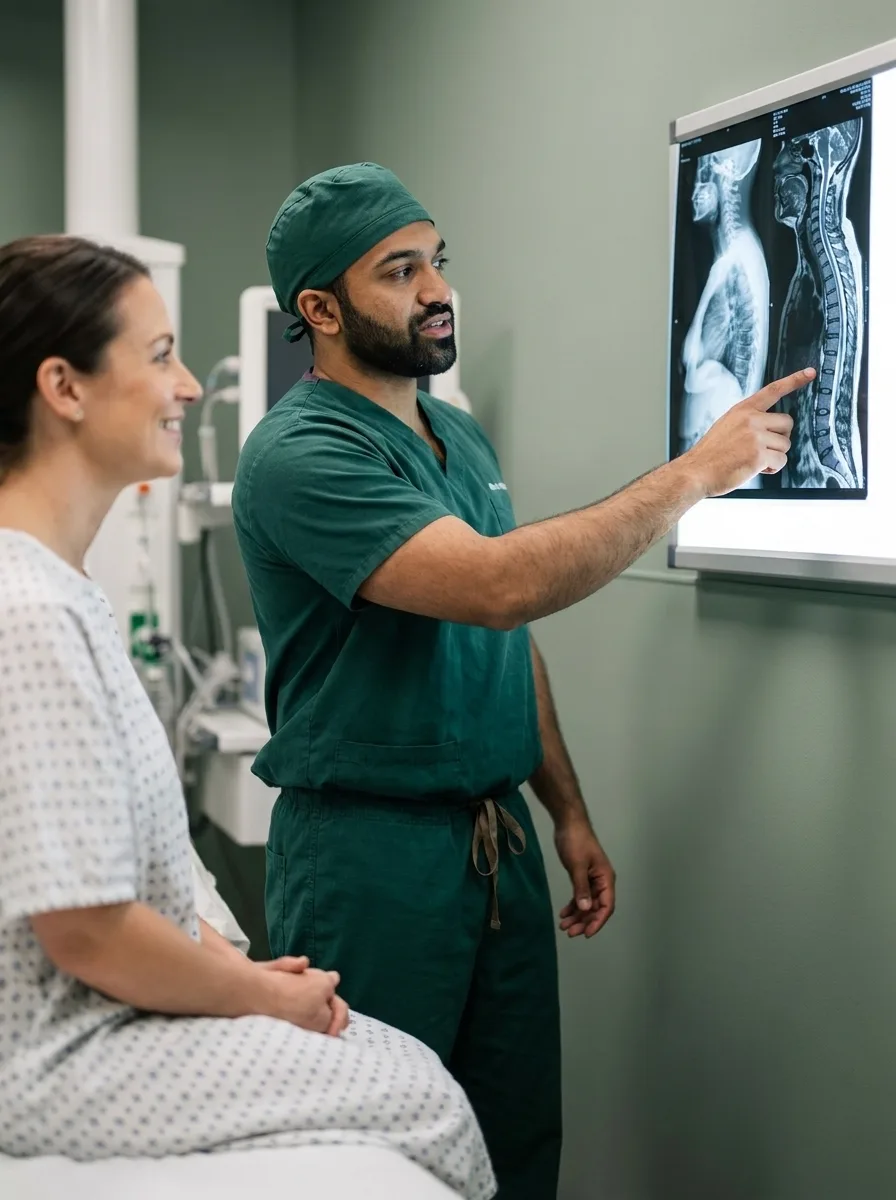
Surgical intervention
Non-surgical treatment for Scoliosis
Non-surgical treatment for scoliosis is primarily focused on managing symptoms, improving mobility, and supporting overall spinal function in milder cases. These treatments may help patients remain more comfortable, active, and physically supported in everyday life.
Physical therapy is often one of the first treatments we use when scoliosis does not yet require surgery. Therapy can improve strength, posture, flexibility, and overall spinal support.
Some patients may also benefit from injections or other pain management treatments that help reduce irritation around the joints and nerves affected by the spinal curve.

When is surgery needed for Scoliosis?
We may recommend surgery when the spinal curve continues progressing or symptoms become harder to manage with non-surgical treatment. In adults, scoliosis can eventually cause ongoing back pain, leg pain, numbness, balance problems, or difficulty staying active and mobile throughout the day.
Unlike some other spinal conditions, scoliosis cannot correct itself once the spine develops an abnormal curve.
Physical therapy and other non-surgical treatments may help manage symptoms and improve function, but they cannot fully correct advanced spinal deformity without surgical intervention.
Common procedures used to treat Scoliosis
Lumbar Microdiscectomy / Laminectomy
Considering a lumbar microdisectomy or laminectomy in New Jersey? Learn how the procedure works, who may be a candidate, and what to expect before and after surgery.
Anterior & Lateral Lumbar Fusion
Anterior lumbar interbody fusion (ALIF) and lateral lumbar interbody fusion (LLIF) are techniques that access the lumbar spine through the front or side of the body rather than through the back.
Anterior Cervical Discectomy and Fusion
Considering an anterior cervical discectomy and fusion in New Jersey? Learn how the procedure works, who may be a candidate, and what to expect before and after surgery.
Getting Back to life
Recovery after surgery for Scoliosis
Recovery after scoliosis surgery depends on the type of procedure and the severity of the spinal deformity. Patients who undergo minimally invasive procedures may return home within one or two days after surgery.
More extensive deformity correction surgery for larger spinal curves often requires a longer hospital stay, sometimes lasting several days.
Full recovery may take several months as the spine heals and patients gradually regain strength, mobility, and confidence with everyday function.
Who is a candidate for Scoliosis treatment?
We evaluate patients with both mild and advanced spinal curves for scoliosis treatment in New Jersey. Some patients only require periodic monitoring, while others may benefit from surgical correction to improve spinal alignment, mobility, and daily function.
While scoliosis is often diagnosed earlier in adolescence, adults with progressive or symptomatic curves may also benefit from evaluation and treatment.
Candidates may include:
- Adults with degenerative scoliosis affecting daily life
- Patients whose spinal curve continues to progress over time
- Patients with leg pain or numbness caused by nerve compression
- Teenagers and adults referred for surgical evaluation
- Patients with more advanced spinal curves requiring corrective surgery

Dr. Shiveindra Jeyamohan
Lead Spinal Neurosurgeon
Why choose the Jey Institute for your Scoliosis treatment?
At Jey Institute, we treat scoliosis and other complex spine conditions using advanced minimally invasive and microscopic surgical techniques.
We tailor each treatment plan to the patient’s spinal alignment, symptoms, and functional goals to support long-term stability, recovery, and mobility.
- 2,200+ Patients served
- 650+ Surgeries performed
Frequently asked questions about Scoliosis
At what point does scoliosis require surgery?
Scoliosis may require surgery when the condition starts causing severe pain, difficulty standing or walking, nerve symptoms, or limitations that interfere with day-to-day life.
Can adult scoliosis be treated without surgery?
Yes, non-surgical treatments can help manage symptoms such as pain, stiffness, and nerve irritation. However, surgery is the only way to fully correct the spinal curve once scoliosis develops.
Can adults develop Scoliosis later in life?
Yes. Adults can develop degenerative Scoliosis later in life as age-related changes affect the discs, joints, and alignment of the spine.
Can exercise help Scoliosis?
Yes. Exercise and physical therapy can strengthen the muscles supporting the spine and may relieve some symptoms. However, exercise alone cannot reverse or fully correct scoliosis.
Can Scoliosis cause leg pain or Sciatica?
Yes. Scoliosis can place pressure on nearby nerves and cause leg pain, numbness, sciatica, or difficulty standing or walking for longer periods.
Can scoliosis get worse with age?
Yes. Degenerative scoliosis can continue progressing over time as the discs and joints in the spine gradually wear down with age.
Can you live a normal life with Scoliosis?
Yes. Many people with scoliosis continue living active and independent lives. Treatment or surgery may become necessary if the condition begins interfering with mobility, comfort, balance, or everyday activities.
How do I know if my scoliosis is getting worse?
Doctors usually monitor scoliosis progression with physical exams and imaging tests such as standing X-rays. These images help measure changes in the spinal curve over time.
What happens if Scoliosis is left untreated?
Untreated scoliosis may continue progressing over time and place increasing strain on the spine, joints, and surrounding nerves. Staying active and maintaining strength may help reduce some symptoms and limitations.
What’s the recovery like after Scoliosis surgery?
Recovery depends on the type of surgery performed. Minimally invasive procedures often allow patients to return home within a day or two, while larger deformity correction may require hospitalization for up to five days followed by several months of rehabilitation and recovery.
Areas we serve in New Jersey
East Brunswick, NJ
180 Tices Lane
East Brunswick NJ 08816
Suite 106
West Orange, NJ
414 Eagle Rock Ave,
West Orange, NJ 07052
Suite 304
Dover, NJ
50 Nelson St.
Dover NJ 07801
Clifton, NJ
735 Clifton Avenue
Clifton NJ 07013
Hamilton, NJ
311 Whitehorse Ave.,
Hamilton Township, NJ
08610
Little Silver, NJ
200 White Road,
Little Silver, NJ 07739
Suite 111
Local reviews from real patients
Bernice
Eddie
Steve W.
Steven C.
Michelle G.
Verified Patient
Verified Patient
Verified Patient
Verified Patient
Verified Patient
Jim D.
Eric F.