


When your back or neck hurts, it’s easy to think the best thing you can do is stop moving. You might skip your usual walk, avoid exercise, or spend more time resting because you’re worried you’ll make things worse. But for many everyday aches and strains, gentle movement can actually be part of getting better.

If you woke up with a stiff neck after sleeping awkwardly or tweaked your back while bending, lifting, or twisting, gentle, self-directed exercise may be a good place to start.
But that’s not the right approach for everyone: if your pain started after a car accident or fall, you’re developing weakness or worsening numbness, you’re having trouble walking, or you’ve noticed changes in your bowel or bladder function, it’s important to get checked before exercising. Depending on your symptoms, your doctor may recommend imaging to make sure there isn’t a more serious injury.
Even if exercise is appropriate for you, don’t try to push through severe pain or symptoms that are getting worse.
Let’s look at why movement matters, which exercises I recommend, and when it’s time to stop and get checked instead …
Why movement matters for spinal health
Your spine is involved in almost everything you do, even the little things you probably don’t think about. You use it to tie your shoes, reach for something on a shelf, look over your shoulder, or simply get up from a chair. That’s why keeping your spine healthy matters. Your body was built to move.
One of the biggest misconceptions I see is that when your back or neck starts hurting, you should stay in bed and avoid moving until it feels better. For many everyday aches and strains, the opposite is true. Gentle movement, like walking or stretching, often helps you recover better than complete rest.

Your spinal discs also rely on movement to stay healthy. As Kenhub notes in its guide to intervertebral discs, they don’t have a direct blood supply. Instead, they receive nutrients through the surrounding tissues, which is one reason regular movement is so important.
You may have heard the phrase “motion is lotion.” It’s a simple saying, but there’s a lot of truth behind it. As the U.S. Department of Veterans Affairs explains, regular movement helps keep your joints moving comfortably and supports the normal circulation of fluids that nourish and lubricate them.
Another benefit of staying active is that it helps you maintain mobility and flexibility as you get older. We naturally lose some range of motion over time, but regular movement can help you maintain or even regain some of that flexibility.
Strong muscles play an important role too. The muscles around your back, abdomen, and hips help support your spine and keep you steady as you move through the day.
When we spend most of the day sitting and stop moving as much, those muscles can become weaker and we gradually lose mobility. That’s one reason I encourage my patients to keep moving, even when their neck or back feels fine.
You don’t have to push yourself through hard workouts every day. Instead, focus on moving regularly, staying strong, and giving your body a reason to keep doing what it was built to do.
The core principles before any exercise
Before you start exercising, remember that more isn’t always better. Exercise should challenge you, but it shouldn’t leave you feeling beaten up or trying to prove something. Build strength gradually, focus on good technique, and give your body time to adapt.
Start with good form
One of the biggest things I want patients to focus on is good form. That means moving with control instead of rushing through each repetition.

When you’re exercising your back and core, try to keep a neutral spine. In other words, keep the natural curves in your back instead of flattening it or letting it arch too much. Your core muscles should stay engaged to help support your spine throughout the movement.
A good rule of thumb is this: if you have to twist, lean, or change your position just to finish a repetition, the exercise is probably too difficult for you right now. It’s better to reduce the weight or choose an easier variation than let your form break down.
What do people get wrong about exercise?
I usually see people make one of two mistakes. Some think they need to push harder every workout to see results. Others are so worried about making their back worse that they stop moving altogether.
For most everyday neck or back pain, neither approach is ideal. One of the biggest misconceptions I hear is that you should stay in bed until the pain goes away. In reality, gentle movement, walking, and simple exercises are often a better place to start.
The point isn’t to avoid movement. It’s to find the right amount of movement for where you are today.
Which exercises can backfire?
People are often surprised when I tell them that exercises like deadlifts and squats aren’t bad for your back. In fact, they can be excellent exercises when you use good technique and a weight you can safely control.
The problem isn’t the exercise itself. It’s trying to lift more than your body is ready for or sacrificing good form to chase bigger numbers in the gym. That’s when injuries are more likely to happen.
If you’ve had a spine problem or injury before, it’s worth learning these movements from a qualified trainer or physical therapist before adding weight.
Can you hurt yourself by exercising too much?
Yes: more isn’t always better.
I encourage people to find a balance between staying active and giving their body enough time to recover. Exercise helps your spine get stronger, but your body also needs time to adapt between workouts.
Being active is one of the best things you can do for your spine. Just remember that recovery is part of the process too.
Foundational exercises for spinal health
When people ask me what exercises I recommend for spinal health, my answer usually isn’t the most complicated one. I’m looking for exercises that help strengthen your core and the muscles that support your spine without putting unnecessary stress on it. The goal isn’t to do the hardest workout possible. It’s to build strength, stability, and confidence in the way you move.
Here are a few of the exercises I commonly recommend and why I like them.
McKenzie and isometric exercises
For some patients, I recommend McKenzie exercises, particularly when they’re dealing with certain neck or back problems. The exact movements depend on your symptoms, which is why these exercises work best when they’re tailored to you rather than copied from a video online.
According to Spine-health’s guide to McKenzie method, it’s a good idea to work with a trained physical therapist who can help determine which movements are appropriate and how much movement your spine can comfortably tolerate.
I also like isometric exercises because they let you strengthen important muscles without putting a lot of movement through the spine.
My favorite exercise for neck health
One simple example is a neck exercise using a towel.
- Place the towel behind your neck and gently press your head back into it without letting your neck move.
- Then, repeat the same movement with the towel in front of your head, gently pressing forward.
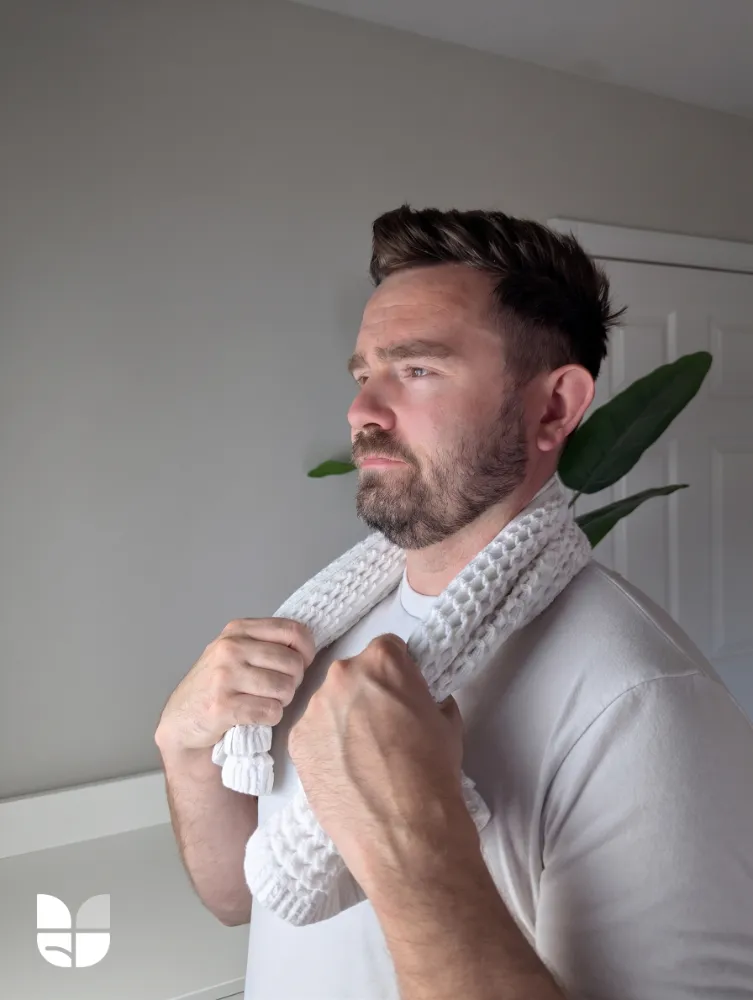
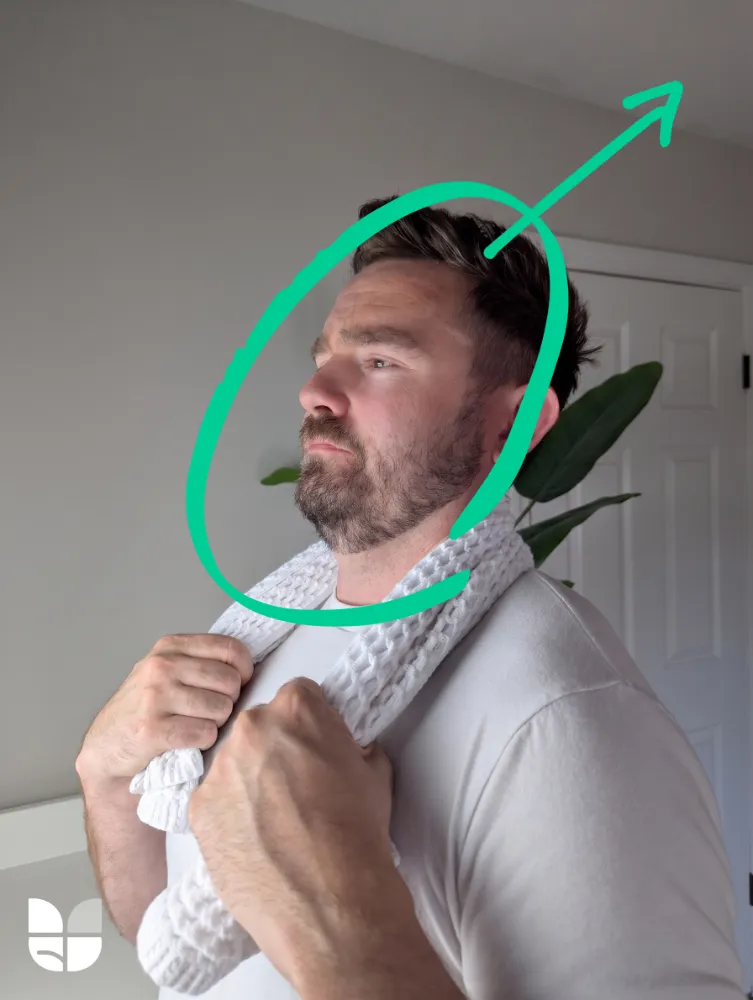
The key is to keep the movement gentle and controlled. If it causes pain or your symptoms get worse, stop and have it checked rather than trying to push through it.
Leg raises
Leg raises are another exercise I recommend because they help strengthen your core without putting a lot of stress on your spine. They’re simple, don’t require any equipment, and can be adjusted to suit different fitness levels.
If you’re just getting started, don’t worry about lowering your legs all the way to the floor. The important thing is keeping your lower back comfortably supported. If your back begins to arch, bend your knees or reduce your range of motion until you can stay in control of the movement.

If you’ve had a lower back injury or ongoing back problems, UPMC recommends speaking with your doctor or physical therapist before starting a new core exercise program.
Dead hangs
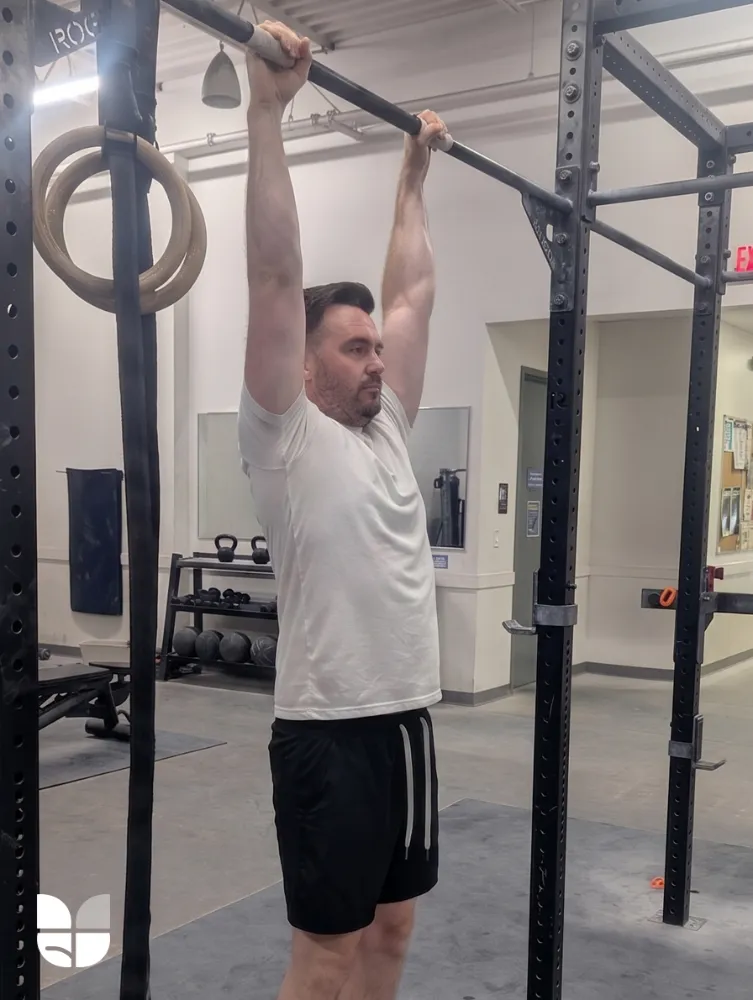
Dead hangs can be a good way to build upper-body strength while also gently stretching the shoulders and spine. If you have enough strength to comfortably support your body weight, they’re a simple exercise to add to your routine.
If you’re new to dead hangs, start with short holds instead of trying to stay on the bar as long as possible. You can also keep your feet lightly supported while you get used to the movement.
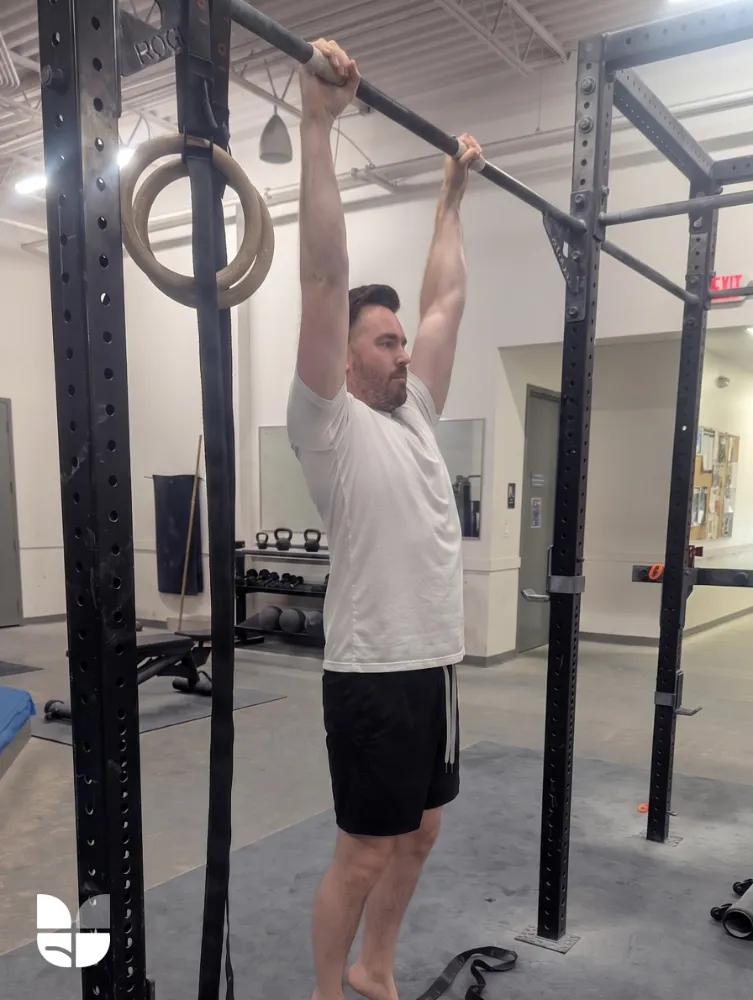
Like any exercise, dead hangs aren’t right for everyone. If they cause pain or you have shoulder instability, it’s better to choose another exercise than force your way through it.
General core exercises
Core strength is one of the foundations of good spinal health, which is why I recommend including core exercises in almost every routine.
Exercises like planks, bridges, bird dogs, and leg raises all work the muscles that help support your spine. I also recommend sit-ups as one option, although the best exercise for you depends on your current strength, symptoms, and experience.
The most important thing isn’t choosing the “perfect” exercise. It’s starting with movements you can perform with good control and building from there. If you’re new to exercise or recovering from a spine problem, working with a qualified trainer or physical therapist can help you build confidence and learn proper technique.
Walking, swimming, and cycling count too
Not every good exercise happens in a gym.
Walking, swimming, and cycling are all great ways to stay active while placing relatively little stress on the spine. Swimming can be especially helpful because the water supports part of your body weight, making movement more comfortable for many people with neck or back pain.

I also encourage people to mix up their activities instead of doing the exact same workout every day. Variety helps reduce overuse injuries while keeping your body strong in different ways.
When should you back off?
It’s normal for an injured neck or back to feel a little uncomfortable when you start moving again. That doesn’t always mean you’re making the problem worse. Severe pain is different. That’s your body’s way of telling you to stop and reassess.
If an exercise noticeably increases your pain or makes symptoms like numbness, tingling, or weakness worse, don’t try to push through it. Stop the exercise and pay attention to how your body feels.
One thing I always tell my patients is that you don’t have to force an exercise just because it’s supposed to be good for your spine. If your symptoms keep getting worse instead of better, it’s time to stop and come in for an evaluation.
We’ll figure out what’s causing the problem and recommend a safer way to keep you moving.
Exercises and movements to approach with caution
Exercise can be one of the best things you can do for your spine, but that doesn’t mean every workout is the right fit for every person. Some movements simply require more care, especially if you’re new to them or you’ve had a spine problem before.
Are there exercises you should avoid?
People often ask me if there are exercises I tell patients to avoid completely. Most of the time, the answer is no.
The exercise itself usually isn’t the problem. The bigger issue is trying to do a movement before you’ve learned the proper technique or loading it with more weight than your body is ready for.
If you’re learning a new exercise, I recommend working with a qualified trainer or physical therapist first. That’s especially important if you’ve had a previous spine injury or ongoing neck or back problems. Learning good technique early can help you exercise with more confidence and lower your risk of injury.
When can exercise go too far?
It’s possible to have too much of a good thing.
I remember one patient who started with physical therapy, then moved on to triathlons, ultramarathons, and CrossFit. Staying active was a great decision, but eventually she pushed beyond what her body could comfortably handle and ended up injured.
That doesn’t mean demanding workouts are bad. It just means your body needs time to adapt. Exercise should challenge you, not leave you constantly pushing through pain or exhaustion.
What I wish more people would stop doing …
One habit I’d love to see people stop is chasing personal records every time they walk into the gym.
Trying to squeeze out one more repetition or lift the heaviest weight possible often comes at the expense of good technique. That’s especially true with exercises like deadlifts, squats, and the bench press, where losing your form can increase your risk of injury.

Another habit I encourage people to avoid is relying on a back brace or neck collar whenever they have pain. Those supports have their place, but wearing them all the time can cause the muscles that support your spine to become weaker because they aren’t being used.
The takeaway is simple: you don’t need to lift the heaviest weight in the gym to build a healthier spine. Focus on good technique, know your limits, and give your body time to adapt. That’s how you make steady progress while lowering your risk of injury.
Tailoring by life stage and starting point
Where you start with exercise depends on your age, your experience, and what your day-to-day life looks like. Someone who’s been active for years will have a very different starting point from someone who’s getting back into exercise after a long break.
That’s okay. The important thing is to start where you are, not where you think you should be.
Does exercise change with age?
Age plays a role, but experience matters just as much. I’ve treated 60-year-olds who are comfortable in the gym and 30-year-olds who are just getting started. Everyone’s starting point is different.
If you’re older and haven’t exercised much before, working with a trainer or physical therapist can help you build confidence and learn good technique before moving on to more challenging exercises.

Being younger doesn’t make you immune to injury, either. One thing I see from time to time is younger people feeling like they’re “Superman.” They start adding more weight because they want to get stronger or look stronger, and that’s often when their form begins to break down.
As we get older, exercises that improve strength, balance, and flexibility become even more valuable. If you haven’t exercised in a while, it’s worth getting some guidance before jumping into a demanding routine. The NHS also recommends regular strength, balance, and flexibility exercises as we age.
What if you’re out of shape?
A mistake I see quite often is thinking they have to go from doing very little to exercising every day. You don’t.
Begin with what you can comfortably manage and give yourself time to adapt.
One piece of advice I give my patients is simple: slow and steady. I’d much rather see someone exercise for 20 or 30 minutes several times a week than do one exhausting workout and never want to do it again.
The CDC also encourages people to start where they are and gradually build up their activity over time.
Your daily routine matters too. If you spend most of the day sitting at a desk, look for opportunities to get up and move throughout the day. If your job is already physically demanding, remember that work places stress on your body too. Your exercise routine should complement what you’re already doing, not leave you constantly feeling run down.
Building a sustainable routine
Taking care of your spine doesn’t have to take over your life. You don’t need hours in the gym or an elaborate workout plan. Walking, strength training, stretching, and a few simple exercises all have their place. The best routine is one you can stick with consistently.
Make consistency the goal
One of the biggest mistakes people make is trying to do too much all at once. I’d much rather see you exercise three or four times a week than squeeze everything into one exhausting two-hour workout.
The CDC recommends at least 150 minutes of moderate physical activity each week, along with muscle-strengthening activities on two or more days. Don’t worry if you’re not there yet. Start where you are and build toward that goal over time.
Remember, consistency beats intensity. A routine you can stick with is always better than one that’s too difficult to maintain.
Fit movement into your day
Exercise doesn’t have to happen all at once. You might take a walk before work, do a few exercises after your shower, or fit in a short workout after dinner.
You can also look for small opportunities to move throughout the day. Stand up between tasks, take the stairs when it makes sense, or go for a short walk during a break. Those small moments of movement add up and make it easier to stay active without having to find a huge block of free time.
Warm up before you start
Before you jump into a workout, give your body a few minutes to get ready. A warm-up can be as simple as walking, gentle stretching, or doing an easier version of the exercise you’re about to perform.
The idea is to ease your body into the activity instead of jumping straight into the hardest part of your workout. If you’re going for a walk, start at an easy pace. If you’re strength training, begin with lighter movements before moving on to more challenging exercises.
The best routine is one you’ll actually stick with. Find activities you enjoy, make time for them during the week, and focus on being consistent. Small, steady habits almost always do more for your spinal health than one big workout followed by a week of doing nothing.
When exercise isn’t enough …
Exercise can do a lot for your spine, but it can’t fix every cause of neck or back pain. Sometimes your symptoms don’t improve the way you’d expect, or new problems begin to appear. When that happens, it’s important to stop trying to work through it and find out what’s really going on.

So…when should you stop exercising?
Not every ache or sore muscle means something is wrong. It’s completely normal to feel a little stiff or tired after trying a new exercise or increasing your activity.
…What I’m more concerned about is when your symptoms start changing:
If your pain becomes severe, starts traveling into your arm or leg, or you notice new numbness, tingling, or weakness, it’s time to stop exercising and get checked. The same is true if you develop problems with your bowel or bladder. Those symptoms should never be ignored.
That doesn’t automatically mean you’ll need surgery. It simply means your body is telling you it’s time for a proper evaluation instead of trying to push through the pain.
When is physical therapy enough, and when might you need surgery?
A common misconception is that severe back or neck pain automatically means surgery. Most of the time, it doesn’t.
Many people improve with physical therapy and other conservative treatments, especially when their symptoms are stable or gradually improving.

I only start thinking about surgery when symptoms are becoming more severe, weakness is getting worse, or imaging shows a problem that matches what you’re experiencing and may benefit from surgery.
Pain by itself doesn’t tell me whether you need surgery. The first step is understanding what’s causing your symptoms. From there, we can decide whether physical therapy, injections, other non-surgical treatments, or surgery is the right next step.
Conclusion
Taking care of your spine doesn’t have to be complicated. You don’t need hours in the gym or an elaborate workout plan. Staying active, building strength over time, and making movement part of your everyday life can all go a long way toward keeping your spine healthy.
One piece of advice I always give my patients is to start where you are.
You don’t have to do everything at once or push yourself as hard as possible. Focus on good technique, stay consistent, and give your body time to adapt. Those small habits often make the biggest difference over time.
If your back or neck pain isn’t improving, keeps coming back, or starts getting in the way of your everyday life, don’t just keep trying to exercise through it. That’s a good time to come in for an evaluation. My job is to figure out what’s causing your symptoms and help you choose the treatment that’s most likely to get you back to the things you enjoy.